On 20-21 April 2026, the EU Policy Lab at the European Commission convened a diverse, invited group of participants for their event PolyFutures – Reimagining Policymaking for Europe. The event addressed foresight and design for EU policymaking, combining the three main units at the EU Policy Lab working with foresight, design for policy, and behavioral insights respectively.
Foresight not as a single bullet, but as part of a diverse reflection ecosystem
As a participant coming from the field of foresight, perhaps the most striking experience at the event was how foresight is considered as a part of a wider family of novel and alternative approaches to traditional policymaking. Already from the name of the event, it was clear that this was not intended as an arena for single-bullet solutions to improving policymaking. Instead, it is the inclusion of multiple perspectives, of a cacophony of voices, and an openness to experimentation that are seen as central to advancing policymaking beyond its traditional beaten paths.
In that regard, Director-General of the Joint Research Centre (JRC), Bernard Magenhann, also set the tone in his opening welcome, when he presented the event and the community as being part of a “reflection ecosystem”. This coinage is probably apt for this diverse family of approaches, in which foresight is an important part of a bigger whole.
The diversity of the reflection ecosystem also manifested itself during the event. As another participant remarked, the event felt “less like a conference and more like a #livinglab for future #policymaking.” This summary also very much captures my own experience throughout the PolyFutures event.
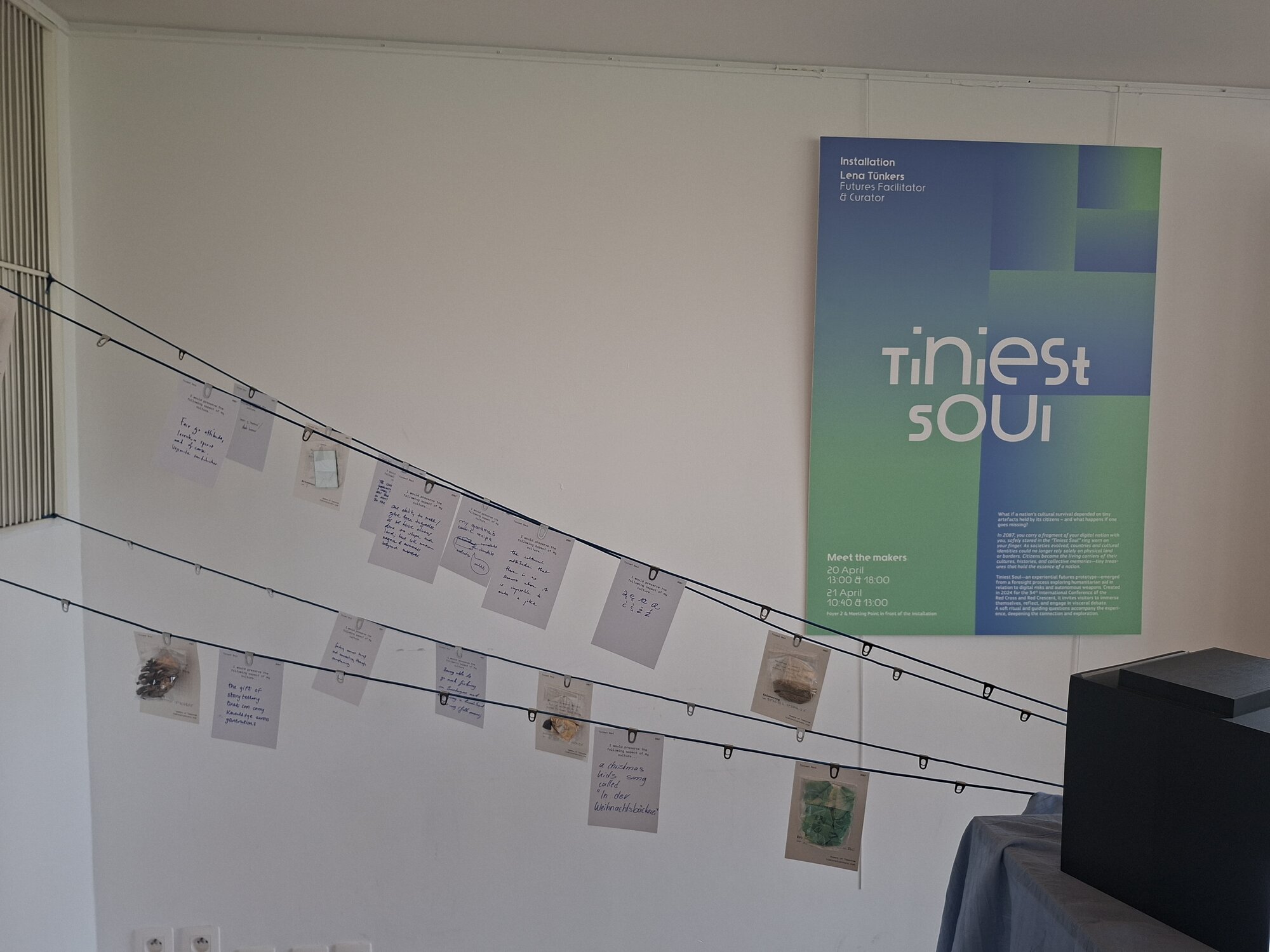
Underlining both the importance of design and of alternative inputs, various games and art installations were organized around the Flagey Cultural Centre, which hosted the event.
Impressive keynotes and panel debates
Much of the event centred around a very diverse set of workshops divided into four parts based on the key organising concepts TRUSTING, SENSING, EXPERIMENTING and DARING. The EU Policy Lab itself hosted several events, and personally I had the pleasure of attending EU Policy Lab sessions on AI-powered conversations about the future and technology foresight. Other workshop organizers had diverse backgrounds in academia, NGOs, consultancies, and public bodies in several cases even beyond Europe. This too underlined the diversity inherent to the event.
The event also featured a set of keynotes as well as a so-called "non-panel". (Since participants had not been asked to prepare for particular questions, since they were supposed to answer on behalf of themselves and not their institutions, and since it was intended as informal, moderator Thomas Hemmelgarn, Director of the EU Policy Lab, introduced the panelists as part of a "non-panel".) The “non-panel” then set out to discuss how to navigate time in the policymaking process with a set of expert panelists involved in local, national, European, and international policymaking respectively. This non-panel was a personal highlight of the event for me, as the participants provided anecdotes (some even inspired by The Godfather-movies) on how to utilise temporal variables to their favour in their daily jobs.
Other highlights included the foresight-related keynote by Max Priebe, Fraunhofer ISI, and the first and inspirational keynote from the Future Generations Commissioner of Wales, Derek Walker.
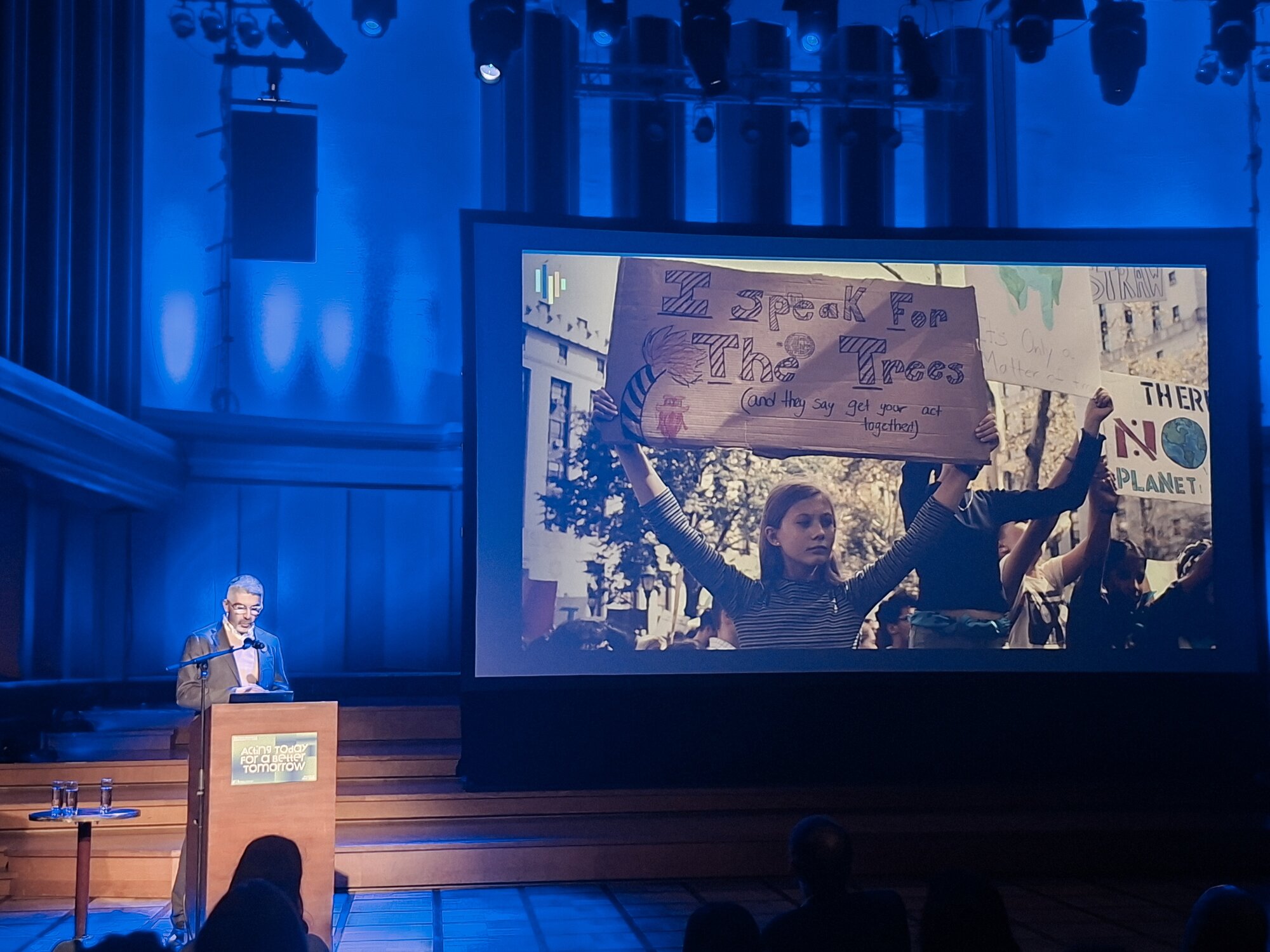
Derek Walker presented the case for how much Wales has benefited from giving future generations a voice, institutionalising an orientation towards the future, and non-traditional perspectives into policymaking. This has made Wales an example to follow. I am probably not the only attendee who left PolyFutures with a sustained hope that Europe likewise can boost itself by thinking differently, allowing for experimentation, visions, and concern for the future.
More info about the event at https://knowledge4policy.ec.europa.eu/major-event/polyfutures-reimagining-policymaking-europe_en