Loading...

    POST Pages

    sorted by published date

    Post Image

    Last Edited: 19 days ago

    Thus Spoke Arta

    How Our Planet Is Entering a New Era

    We are living through a transition that feels, at once, like collapse and awakening. The crises surrounding us—ecological breakdown, technological acceleration, geopolitical fragmentation—are often treated as separate problems. But they are not. They are symptoms of a deeper rupture: a failure in how we perceive reality itself.


    This is the beginning of the “Big Shift.” Not merely a historical turning point, but a transformation in consciousness. The dominant frameworks through which humanity has understood itself—nation, progress, even “humanity” as a unified moral subject—are no longer sufficient. They fragment under pressure because they were never grounded in the deeper fabric of existence. They abstracted us from the Earth, from each other, and ultimately from being itself.


    Long before modern crises, ancient traditions understood something we have forgotten: the Earth is not an object. It is a living, sacred reality. Early liturgical texts and cosmologies did not separate matter from meaning. To speak of the Earth was already to speak of order, of balance, of participation in a larger whole. This was not “ecology” in the modern scientific sense—it was a lived metaphysics.


    What has been lost is not knowledge in the narrow sense, but a way of knowing. The modern world, in its pursuit of control and clarity, reduced reality to what can be measured, extracted, and optimized. Technology is not the root problem; it is an extension of this perception. We did not simply build machines—we built a worldview that sees the world as machine.


    And so we arrive at a strange paradox: we speak constantly of “saving humanity,” yet we do not even know what “humanity” means. It is an abstraction, a moral placeholder, often detached from real conditions and embedded inequalities. In trying to center humanity, we displaced the Earth. And in doing so, we undermined the very conditions that make human life possible.


    A different orientation is needed. Not a rejection of humanity, but a re-centering within a larger field of existence. To love the Earth is not a poetic gesture—it is an ethical necessity. It means recognizing that harm to ecosystems is not external damage but a form of self-destruction. It means reframing ethics from human-centered to Earth-centered, from domination to participation.


    This is where the future becomes most uncertain—and most significant. Artificial intelligence and emerging technologies are often framed in terms of capability and risk. But the deeper question is ontological: what kind of intelligence are we creating? If intelligence is participation, then ethical design requires more than safeguards—it requires alignment with the structures of reality itself.


    We stand, then, at a threshold. The path forward is not a return to the past, nor a blind leap into technological futurism. It is a synthesis—a planetary civilization that draws from ancient wisdom while engaging modern knowledge. A civilization that recognizes the plurality of perspectives without losing sight of underlying unity.


    This requires new forms of leadership, new frameworks of foresight, and a redefinition of progress. Not growth for its own sake, but alignment with the conditions that sustain life and meaning.


    Ultimately, the future is not something we predict. It is something we participate in. Every action, every perception, contributes to the unfolding of reality. The question is not whether change is coming—it is whether we are capable of aligning with it.


    To become planetary beings is not to transcend the Earth, but to belong to it fully. To act with awareness that we are not separate observers, but active participants in a living, dynamic cosmos.


    The shift has already begun. The only question is whether we recognize it—and whether we are willing to follow it to its conclusion.

    Posted on: 28/05/2026

    Post Image

    Last Edited: 20 days ago

    Why people agree on the future more than the present, and what it means for governance

    Taylor Dee Hawkins on the Existential Hope Podcast

    Political polarization might have a surprisingly simple fix: ask people what they want for their communities in 50 years instead of today, and their answers start to look remarkably similar. But almost no political system is built to plan that long-term.

    In this episode of the Existential Hope Podcast we talk to Taylor Dee Hawkins, founder of Foundations for Tomorrow, a nonprofit pushing for long-term governance reform in Australia and internationally.

    We cover topics like:

    - Why the problem with political leadership isn't individual leaders, but the incentive structures and systems designed to reward short-term decisions at the expense of long-term ones
    - Why naming political procrastination is the first step to solving it
    - How Foundations of Tomorrow secured cross-party support in a polarized parliament by making the economic case for long-term policy rather than the moral one
    - Why planning for the future doesn’t have to come at the expense of present generations
    - Taylor’s advice for a young person who wants to get started in long-term policy, and what she has learned from years of being the youngest person in the room

    Video, full transcript and resources are available at https://www.existentialhope.com/podcasts/taylor-dee-hawkins 

    Posted on: 27/05/2026

    Post Image

    Last Edited: a month ago

    OECD working paper: Building capacity in technology horizon scanning. A guide for policymakers

    In the Foresight Department of Fraunhofer ISI, we gathered and synthesised 64 recent and openly available Technology Horizon Scans (2020-2025), and produced a taxonomy of active Horizon Scanners that produce these scans.


    The results of this exercise contributed to the OECD working paper Building capacity in technology horizon scanning: A guide for policymakers, which has been recently published. This working paper examines how horizon scanning can help governments anticipate and respond to emerging and converging technologies. 

    Posted on: 11/05/2026

    Post Image

    Last Edited: a month ago

    Towards intergenerational fairness for future forward policymaking

    What does it mean to take policy decisions that consider not only citizens in the present moment but also future generations to come? The Intergenerational Fairness Strat...


    Posted on: 04/05/2026

    Post Image

    Last Edited: a month ago

    Reimagining climate futures through scent, story, and city streets

    There's a growing recognition in futures thinking that the greatest barrier to climate action isn't a lack of information; it's a lack of imagination. People struggle to ...
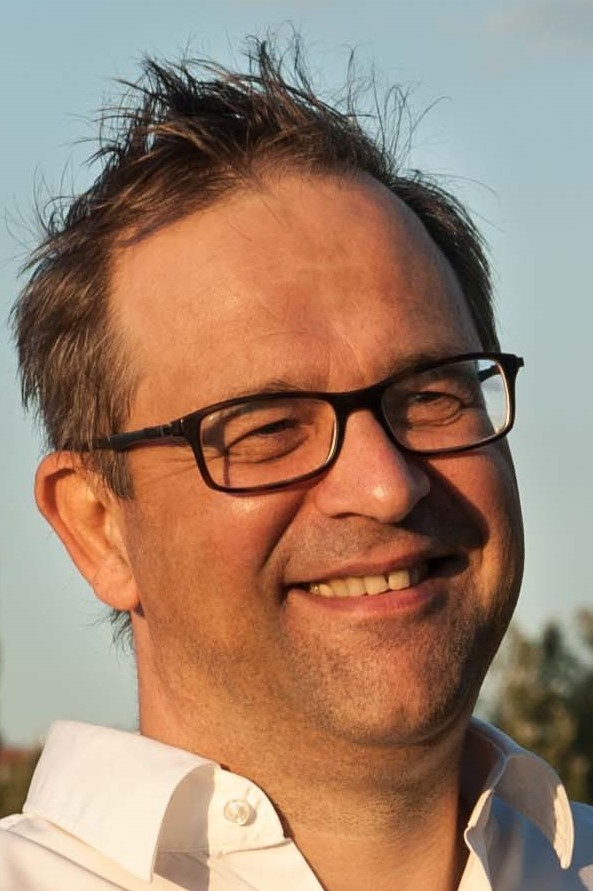
    The path to Suzanne's current work has been a winding one. Over a decade of communicating climate and sustainability, a career as a performance storyteller, and research into the smells of ancient Pompeii using urban walking methods during a degree in Classics, all fed into what eventually became her senstoryscapes methodology.


    What emerged is an approach that brings climate futures to life through embodied, sensory walkshops in the cities where participants live. We spoke with her about her Walk the Futures research project, about what it means to smell and taste the future, what ordinary people discover when they step into it, and what she hopes a city like Innsbruck, where she is based, might still become.

    Posted on: 05/05/2026

    Post Image

    Last Edited: a month ago

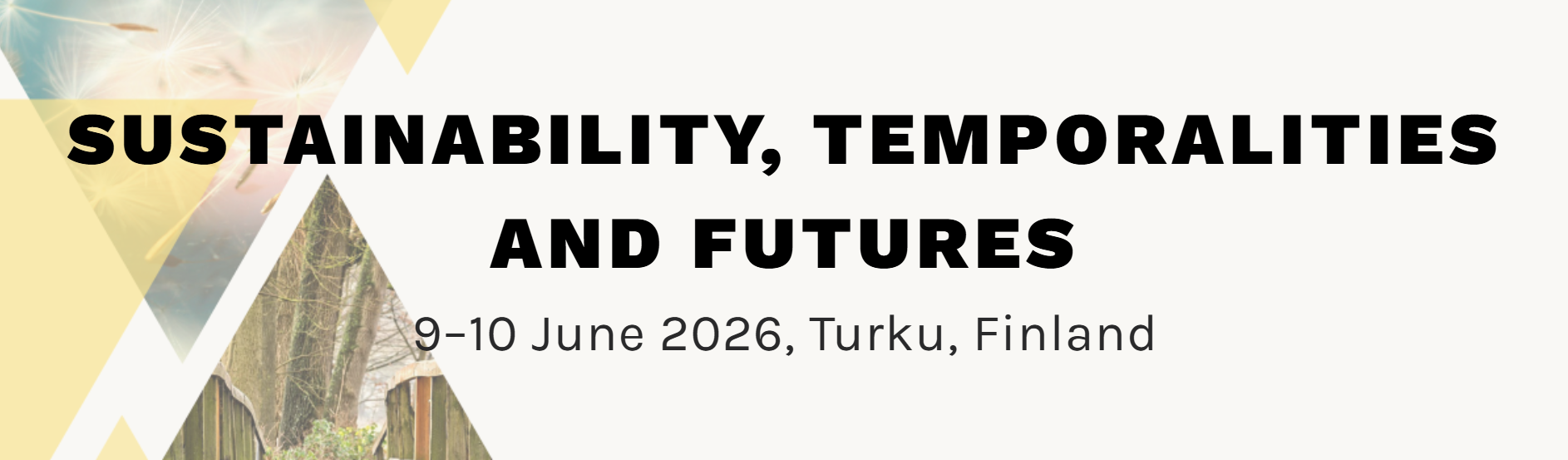
    Welcome to the Futures Conference 2026: ’Sustainability, Temporalities and Futures’

    9–10 June 2026, University of Turku, Finland, futuresconference2026.com

    📅 9–10 June 2026
    📌 University of Turku, Finland
    🔗 futuresconference2026.com 

    This year’s Futures Conference focuses on the critical theme of the sustainability transformation. This fundamental shift will renew societal and economic systems and practices, while also enhancing human agency, well-being and quality of life. The conference emphasises the importance of temporality by asking what intergenerational decision-making within the limits of the planet’s ecological boundaries means in practice. 

    Annual Futures Conferences organised by Finland Futures Research Centre (FFRC) and Finland Futures Academy are an invaluable opportunity for meeting, exchanging and debating current topics related to futures studies and foresight. If you are looking for networking and collaborating with futurists and researchers, this is the place to be in June 2026! 

    This year, the event will host three distinguished keynote speakers. In addition, there will be around 110 spoken presentations across academic paper 30 sessions, and around 18 workshops and special sessions. The detailed programme will be released in mid-May.

    Posted on: 04/05/2026

    Post Image

    Last Edited: 2 months ago

    PolyFutures: Reimagining Policymaking for Europe

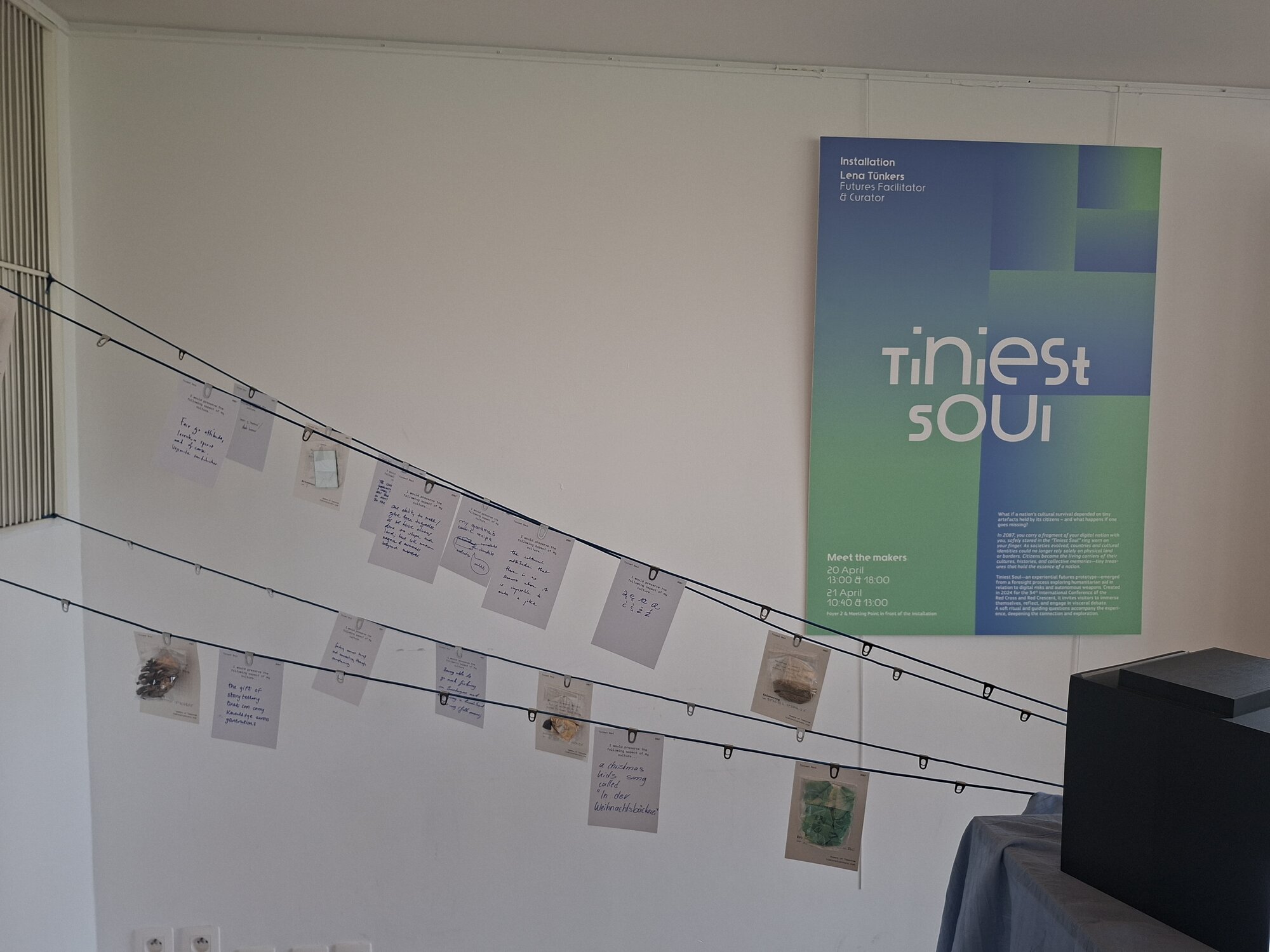
    Participant reflections from the EU Policy Lab event 20-21 April 2026

    On 20-21 April 2026, the EU Policy Lab at the European Commission convened a diverse, invited group of participants for their event PolyFutures – Reimagining Policymaking for Europe. The event addressed foresight and design for EU policymaking, combining the three main units at the EU Policy Lab working with foresight, design for policy, and behavioral insights respectively. 

    Foresight not as a single bullet, but as part of a diverse reflection ecosystem

    As a participant coming from the field of foresight, perhaps the most striking experience at the event was how foresight is considered as a part of a wider family of novel and alternative approaches to traditional policymaking. Already from the name of the event, it was clear that this was not intended as an arena for single-bullet solutions to improving policymaking. Instead, it is the inclusion of multiple perspectives, of a cacophony of voices, and an openness to experimentation that are seen as central to advancing policymaking beyond its traditional beaten paths. 

    In that regard, Director-General of the Joint Research Centre (JRC), Bernard Magenhann, also set the tone in his opening welcome, when he presented the event and the community as being part of a “reflection ecosystem”. This coinage is probably apt for this diverse family of approaches, in which foresight is an important part of a bigger whole.

    The diversity of the reflection ecosystem also manifested itself during the event. As another participant remarked, the event felt “less like a conference and more like a #livinglab for future #policymaking.” This summary also very much captures my own experience throughout the PolyFutures event.

    Underlining both the importance of design and of alternative inputs, various games and art installations were organized around the Flagey Cultural Centre, which hosted the event.

    Posted on: 30/04/2026

    Post Image

    Last Edited: 4 months ago

    Science fiction and innovation

    A literature analysis on science fiction-related methods mapped into the innovation process

    In the development of innovations over the past decades, data-driven methods have become commonplace. Alongside advantages in effectiveness and efficiency comes the danger of relying on data describing past rather than future developments which can result in a loss of imagination and creativity. In parallel, a growing awareness of the interface between innovation and science fiction can be observed in academia and among practitioners. This awareness is most often based
    on the hypothesis that taking inspiration from science fiction can create value in the development of innovations. Despite numerous case studies in the literature describing this interface, a major part of methods applied seem to have been chosen in an unstructured, almost random way. This study investigates the literature in search of science fiction-related methods able to support the development of innovations. With around 60.000 publications considered based on a high-level search, a refined search combined with a manual search led to 17 science fiction-related methods to support the development of innovations. Using a six-phase generic innovation pro-cess, the methods identified were mapped into the process based on semantic similarities between the objectives of each method and the objectives of innovation process phases. This mapping is understood as an overview and conceptualization offering a baseline for future academic research and guidance for practitioners on choosing the most appropriate science fiction-related methods for developing innovations.

    Posted on: 13/02/2026

    Post Image

    Last Edited: 5 months ago

    Meet the NGFP 2026 Fellows

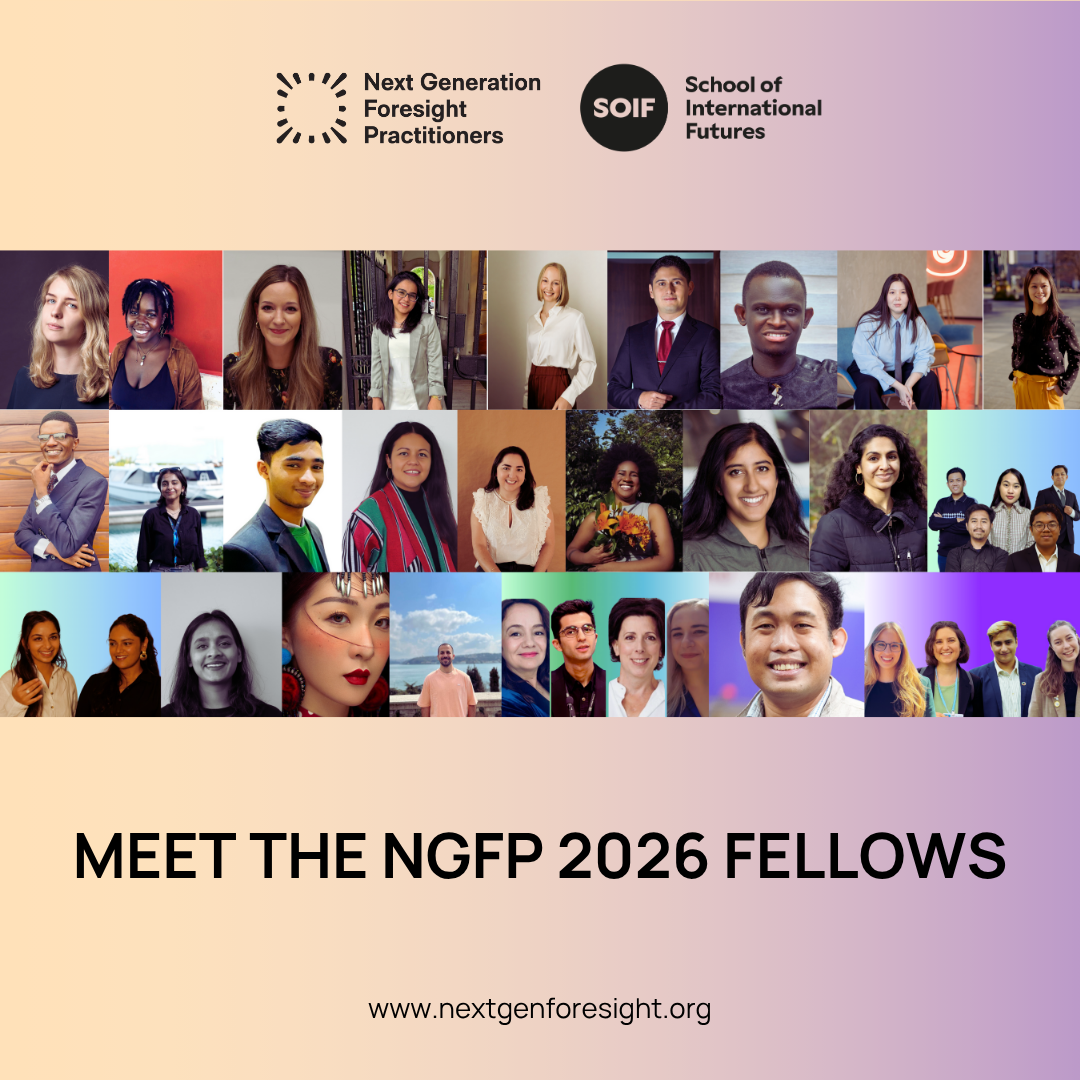
    This year’s fellowship features 25 projects, created by emerging futures and foresight practitioners from 24 countries.

    The Next Generation Foresight Practitioner (NGFP) Fellowship is an initiative of the School of International Futures (SOIF). The annual Fellowship is designed to help change the status quo and democratise the futures and foresight field with diverse perspectives from younger generations in under-represented geographies and communities.
    In addition, the Next Generation Foresight Practitioner – Young Voices (NGFP-YV) Awards, in partnership with Teach the Future, showcases the emerging ideas of youth 12-17 years of age.

    Over 6,000 expressions of interest were received this year, with 777 final submissions. Additionally, Young Voices Award partner organisation Teach the Future received 550 youth expressions of interest and 305 completed submissions.

    Posted on: 21/01/2026

    Post Image

    Last Edited: 6 months ago

    Call for evidence : 2026 Strategic Foresight Report

    The European Commission has launch a Call for Evidence to prepare its 2026 Strategic Foresight Report, which will explore a crucial question: How can the EU shape its long-term role in a rapidly changing and uncertain world?

    Strategic foresight reports provide essential input for EU policies, as they highlight how short- and mid-term policy decisions could affect a variety of long-term future scenarios in the EU. As the ability to respond to global challenges depends largely on policies developed at the EU level, there is clear added value in developing such a report at EU level.

    The Commission seeks evidence-informed input, particularly on the guiding question above as well on the following more specific questions:  

    • Which areas of leverage (especially those that are new or so far unexploited) could help the EU shape its long-term role in the world?

    ’Leverage areas’ are domains where the EU can translate its underlying sources of power and capacities into concrete influence on the global stage. They may concern a range of geopolitical dimensions (or a combination of them), such as: geography and the environment, military capabilities, the economy, technology, science and innovation, culture and identity, governance and politics, statecraft and diplomacy. While traditional leverage (for example, the economic power of the Single Market) remains essential, the ambition is to find novel approaches to exert influence and expand Europe’s strategic room for manoeuvre.

    • Which narratives about the European Union can help the EU shape its long-term global role?

    We know that narratives that have shaped global perceptions about the EU in recent decades, such as the EU as the standard-setting economic superpower, creating the ‘Brussels effect’, or the EU as a peace project, are now increasingly contested. As the global context evolves, both existing or emerging narratives will influence how the EU is seen and how it can frame its long-term role in the world.

    Feedback period : 11 December 2025 - 22 January 2026 (midnight Brussels time)

    To contribute : https://ec.europa.eu/info/law/better-regulation/have-your-say/initiatives/15972-2026-Strategic-Fore sight-Report_en

    Posted on: 12/12/2025

    Post Image

    Last Edited: 6 months ago

    Mapping and analysis of recent foresight studies concerned with livestock

    Currently, there is a lack of comprehensive and quantifiable information regarding the sustainability and resilience of environmentally friendly European Livestock Production Systems (ELPS). The Horizon-funded STEP UP Project addresses this gap and aims at giving policymakers clear information on the effects (both positive and negative) of raising animals and better farming methods throughout Europe. Part of this project aims to map foresight studies and identify the factors that influence scenarios (drivers) and the synergies and trade-offs between impacts in order to build scenario archetypes, as well as highlight possibly neglected drivers, impacts, or externalities. The result of this task informed the scenario building being currently carried out.


    In this work, we conducted a meta-analysis of foresight studies considering the time horizon post-2020 - 2050, in which the possible futures of European livestock productions were described. The originality of the approach consisted in constructing ‘sets of possible futures’ based on existing foresight exercises and the extraction of key variables. The method is inspired by systematic reviews developed in particular in the biomedical and environmental sciences field and by the French research project ScenEnvi, which compared international environmental scenarios and aggregated them in “archetypal families” . The aim was to identify the different families of scenarios built by European politics, scientific and economic stakeholders involved in these foresight exercises, and to identify any externalities or impacts of livestock systems that were neglected in these studies.


    Using a multiple correspondence analysis, our analysis resulted in seven families of scenarios:
    1. “Economically successful intensive bet”;
    2. “Intensification with limited success”;
    3. “Sustainable technology and green growth for cattle”;
    4. “Governance by an organised sector: between modernisation, labelling and management of environmental impacts”;
    5. “Coexistence and segmentation”;
    6. “Sustainable efficiency and protectionism”;
    7. “(Much) less but better”.


    The cross comparison of the seven scenario families reveals a clear gradient from deregulated, high output intensification (families 1–2) towards tightly regulated, socio ecological transitions (families 6–7), with families 3–5 occupying intermediate, hybrid positions.


    Taken together, these scenarios portray a coherent narrative arc. Early families represent globalised, technology driven intensification with minimal societal oversight. Mid range families experiment with sustainable intensification and coexistence, balancing productivity with emergent ethical environmental norms. The final families embody a paradigmatic shift: strong public (and local) governance, eco centric regulation, reduced trade dependency, territorial re embedding of LPS and widespread adoption of agro ecological principles.

    Posted on: 02/12/2025

    Post Image

    Last Edited: 6 months ago

    FARSIGHT podcast

    Listen to narrated articles and conversations with the world’s foremost futures thinkers.

    The podcast covers a range of topics about the future and foresight. 

    Posted on: 01/12/2025

    Post Image

    Last Edited: 6 months ago

    ESPAS Horizon Scanning Issue 91

    This is the ninth report from the ESPAS horizon scanning process which looks at “signals of change” – emerging trends and
    issues – that may appear marginal today but could become important for the EU in the future.

    The complete set of 14 signals of change identified in recent horizon scanning sessions. Brief descriptions are included in the report.

    Read all the Issues here: https://espas.eu/horizon.html

    Posted on: 19/12/2025

    Post Image

    Last Edited: a year ago

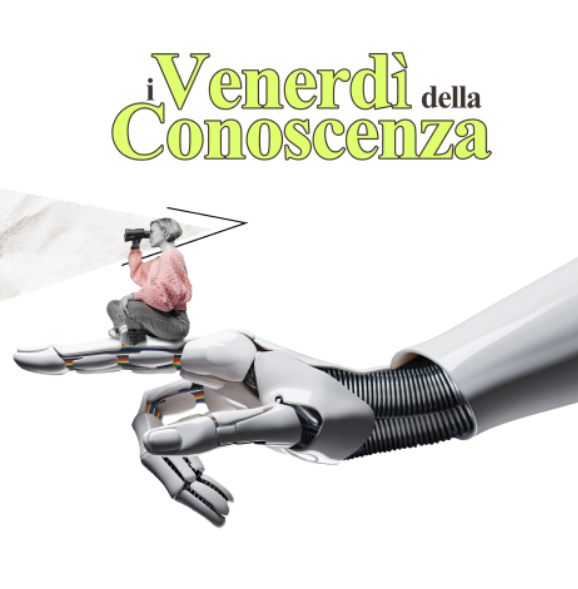
    Making the Future More Tangible for Citizens Through ‘Fridays of Knowledge’

    In the small seaside township of Diano Marina, Liguria Region, Italy, the local community has been organising frequent meetings to help people overcome growing fears of an increasingly uncertain future. This initiative, called ‘Fridays of Knowledge’, aims to equip the local community with scientific tools and knowledge to understand the risks and implications of new technologies in a dialogue together with students, academics, and journalists. Communication Manager for Fridays of Knowledge, Damiana Biga, tells Futures4Europe how this initiative sparks debates across different generations and backgrounds, fostering a sense of shared responsibility and curiosity.

    Posted on: 27/03/2025

    Post Image

    Last Edited: 2 years ago

    S&T&I for 2050 Perspectives on Ecosystem Performance

    “S&T&I for 2050” aims at broadening the focus of STI to encompass multiple conceptualisations of human-nature relations. To do this, a framework was constructed around the concept of ecosystem performance as driver of STI, instead of human performance. This places the attention on the flourishing of ecosystems that is deeply connected to human needs and wellbeing.

    Posted on: 25/11/2024

    Post Image

    Last Edited: 2 years ago

    Navigating the Future

    The Power of Tri-Scope Synthesis

    In a world where change is the only constant, strategic foresight is more critical than ever. The Tri-Scope Synthesis method offers a robust framework combining critical, futures and exponential thinking, equipping leaders and organizations with the tools to anticipate and influence their futures effectively.

    Posted on: 25/11/2024

    Post Image

    Last Edited: 9 months ago

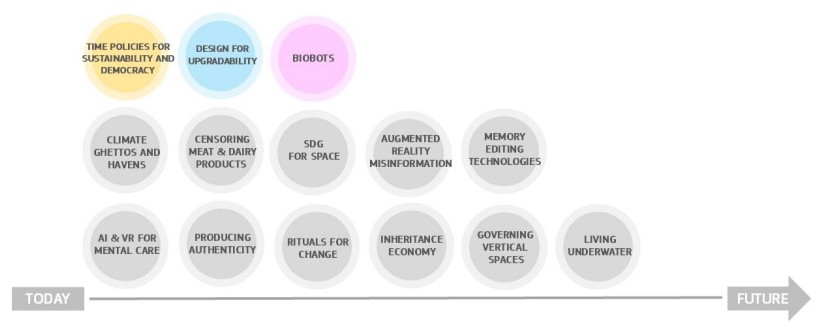
    The Future of Sustainability in a Post-Global World

    A New Sustainability Agenda Rooted in Access and Stability

    Sustainability in the Post-Global Era

    In the aftermath of decades of global integration, the model of hyperconnected markets is showing signs of retreat. Geopolitical instability, trade disputes, and resource scarcity are catalysing a structural shift that could reshape not only economies, but the very principles underpinning sustainability. Drawing from trend intelligence by Nextatlas, two pivotal developments emerge, developments that invite foresight professionals to rethink sustainability not as a static ideal, but as a dynamic field responsive to systemic transformation.


    The post-global era is not simply a reconfiguration of trade routes or supply chains; it marks a fundamental reframing of what society deems “sustainable.” In a world where inflation, scarcity, and volatility dominate headlines, environmental goals are becoming increasingly intertwined with economic and geopolitical concerns. 

    Nowhere is this reframing more evident than in the European Union, which has positioned itself as a global leader in linking sustainability with regulatory and economic frameworks. Through initiatives such as the European Green Deal, the Carbon Border Adjustment Mechanism, and stricter ESG reporting standards, the EU is setting benchmarks that extend far beyond its borders and reshape how sustainability is understood in practice.


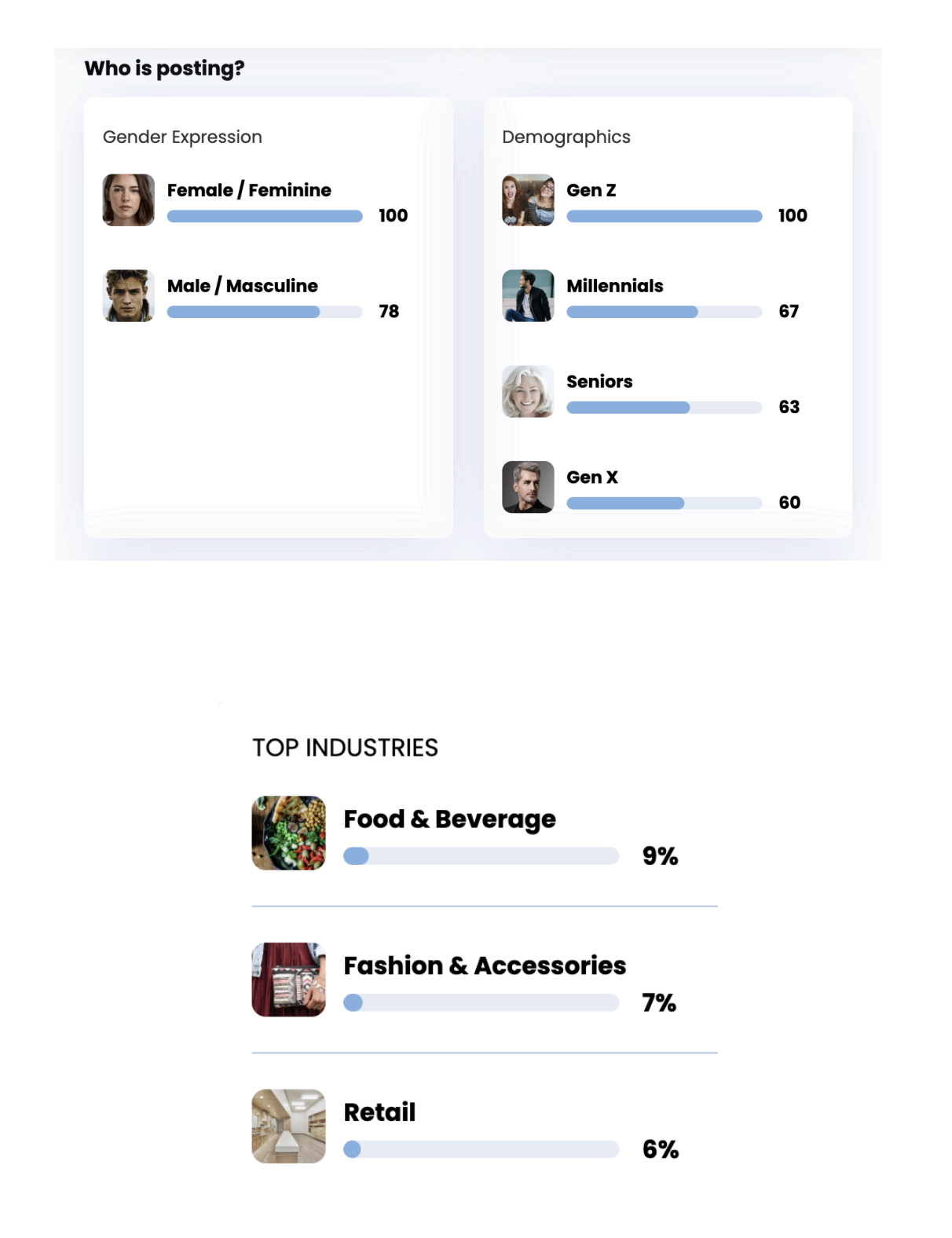
    Nextatlas’ foresight model suggests a pivot: environmental degradation is no longer perceived as the singular sustainability threat. Instead, resource access, economic resilience, and supply chain transparency are becoming the new fault lines. This conclusion is grounded in more than a decade of Nextatlas’ machine learning work in cultural trend forecasting, built on a proprietary pipeline that ingests millions of data points each month from over 300,000 carefully selected sources, including social media users, niche influencers, scientific literature, design portfolios, and startup ecosystems. 


    Through natural language processing, semantic clustering, and visual analysis, these unstructured signals are structured into a dynamic semantic knowledge graph of thousands of interconnected micro-trends. By identifying early adopters with a demonstrated history of trend foresight, the model captures weak signals and emergent cultural dynamics before they reach the mainstream. With a 93% accuracy rate in trend prediction, this methodology provides a robust foundation for understanding the evolution from ecological awareness as individual virtue to sustainability as collective infrastructure.

    The Wasteless Economy
    The intentional rejection of overconsumption

    What was once framed as consumer minimalism is evolving into a more resilient, system-conscious behaviour: the Wasteless Economy. As global citizens face the tangible consequences of rising costs and diminished availability, consumption habits are adjusting accordingly. But unlike past recessions where thrift was reactive, today’s restraint is increasingly proactive and value-driven. In this new context, value is redefined by longevity, utility, and purpose. Careful selection, durability, and circular practices now consciously outweigh constant acquisition.


    This transformation has implications beyond market dynamics. It reflects a recalibration of what constitutes value and well-being in an era of systemic constraint. The Wasteless Economy aligns closely with long-term sustainability goals, emphasising durability, circularity, and resource efficiency, not just as ethical choices, but as strategies for social and economic stability. Amid persistent inflation and renewed tariffs on consumer goods, households are tightening their belts and are naturally drawn to buying less, buying smarter, and investing in lasting value. 

    Feeling the squeeze of both rising operational costs and evolving regulations, businesses are pivoting toward circular models, designing for durability, repairability, and reuse, not for sustainability branding, but as a smart financial strategy. Circular design reduces exposure to volatile supply chains and tariff-prone imports, while reinforcing consumer loyalty through accountability.


    This shift is most visible in food & beverage, fashion, and retail, industries where overproduction and disposability once defined the norm. Food companies must now design out surplus, embracing precision, seasonality, and resourcefulness as new standards of value. In fashion, longevity and modularity are replacing trend cycles, with resale and repair moving from fringe to fundamental. Retailers, in turn, are being called to transform from providers of endless choice into curators of care, offering fewer but better options that align with the values of restraint and longevity.

    For foresight practitioners, the shift underscores a key signal: in strained environments, sustainability flourishes not through moral appeal but through necessity. Efforts to design policy or governance around future-proofed systems must therefore centre not only on carbon metrics, but also on material longevity, repair ecosystems, and new models of sufficiency.

    Posted on: 23/09/2025

    Post Image

    Last Edited: a year ago

    OECD Strategic Foresight Toolkit for Resilient Public Policy just released

    A Comprehensive Foresight Methodology to Support Sustainable and Future-Ready Public Policy

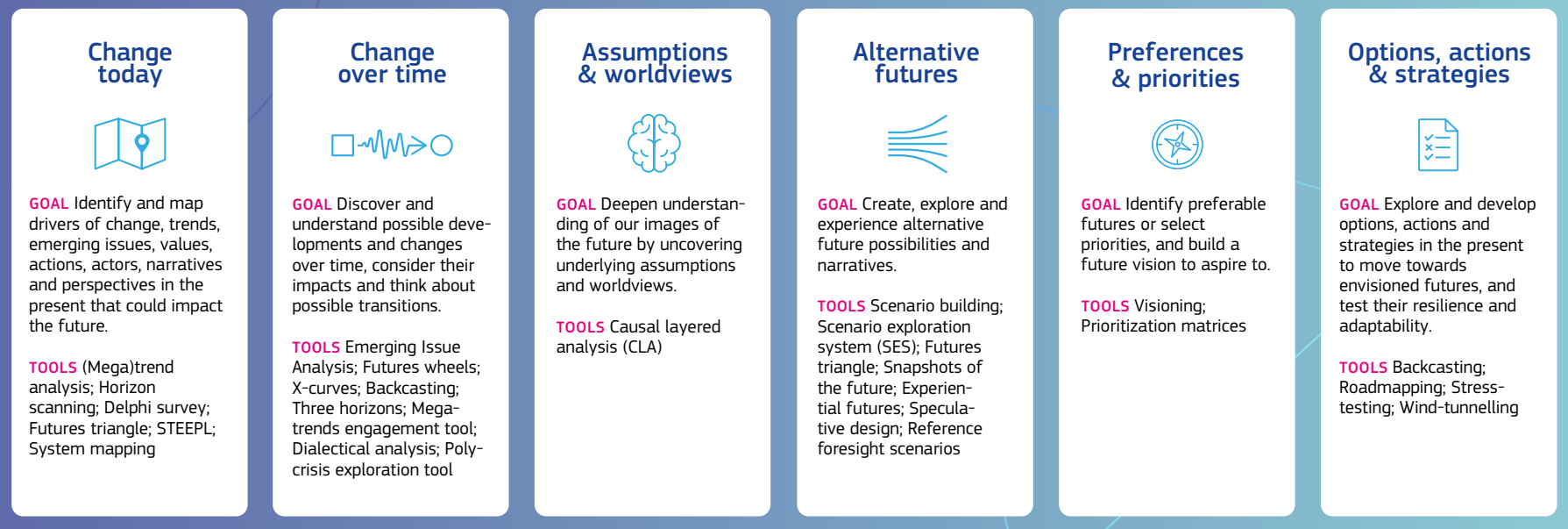
    OECD has released the Strategic Foresight Toolkit for Resilient Public Policy, designed to help policymakers anticipate and navigate future challenges and opportunities.

    By exploring 25 potential disruptions across environmental, technological, economic, social, and geopolitical domains, the Toolkit equips governments with a practical, five-step foresight methodology to challenge assumptions, create scenarios, stress-test strategies, and develop future-ready policies. It includes facilitation guides, case studies, and actionable insights to support resilience in an uncertain world.

    Posted on: 22/01/2025

    Post Image

    Last Edited: a year ago

    Interview with Pierfrancesco Moretti, Coordinator of the National Research Council of Italy

    Futures4Europe zoomed in on the perspective of one of the consortium's members of the Eye of Europe Project, Pierfrancesco Moretti, of the National Research Council of It...

    Posted on: 17/12/2024

    Post Image

    Last Edited: a year ago

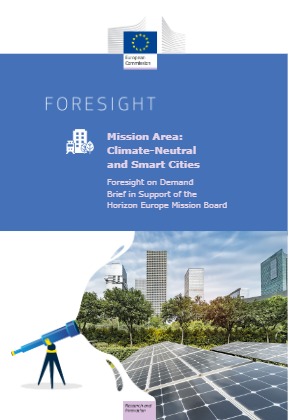
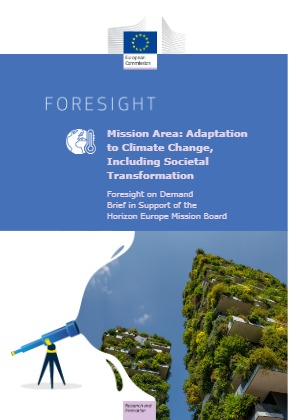
    Mission Area: Climate-Neutral and Smart Cities1

    Foresight on Demand Brief in Support of the Horizon Europe Mission Board

    The EU introduced missions as a new instrument in Horizon Europe. Mission Boards were appointed to elaborate visions for the future in five Areas: Adaptation to Climate Change, Including Societal Transformation; Cancer; Healthy Oceans, Seas, and Coastal and Inland Waters; Climate-Neutral and Smart Cities; Soil Health and Food. Starting in autumn 2019, five Foresight on Demand projects supported them with foresight expertise and methodology.

    This report provides the work in support of the Mission Board on Climate-Neutral and Smart Cities. Starting with a systemic analysis, the project identified urban challenges in existing forward-looking studies in order to determine the thematic scope together with the Mission Board. It collected data about consolidated external and internal drivers, trends and practices as well as weak signals, potential disruptive events or incremental changes with a potentially substantial positive impact on cities.

    Posted on: 20/01/2025

    Post Image

    Last Edited: 2 years ago

    Discussing Future Hydrogen Geographies in Europe

    A Conversation that is Overdue

    The transition to renewable energy in Europe has evolved dynamically since the turn of the century. The share of renewable energy in the European Union more than doubled between 2004 and 2022. Nevertheless, renewable energy represents only 22 percent of overall energy consumption and 37 percent of electricity generation in the EU. In other words, Europe still has a long way to go, even when it comes to the relatively easy task of converting its electricity production to renewables.

    Posted on: 25/11/2024

    Post Image

    Last Edited: a year ago

    Help shape Europe’s future!

    Help shape Europe’s future! 🛡️ 

    To build the smart policies of tomorrow, we are counting on your insights for the 2025 Strategic Foresight Report. Together we can build a strong and resilient Europe that is fit for future challenges.
    This goes beyond security - it’s about democracy, well-being, the economy, climate, competitiveness, sustainability, fairness between generations, and more.
    We need your expertise now! The call for evidence is open for feedback on the citizens engagement platform until March 19th. 

    👉 2025 Strategic Foresight Report 

    Posted on: 12/03/2025

    Post Image

    Last Edited: 2 years ago

    Shaping the Future of AI in Policing

    ALIGNER's Pragmatic Approach

    ALIGNER aspires to rally European stakeholders anxious about AI's role in law enforcement. The project's goal is to create a unified front to identify strategies that will not only bolster the strength of law enforcement agencies through AI but also ensure public benefit. But how far into the future is it useful to look?

    Posted on: 25/11/2024

    Post Image

    Last Edited: 2 years ago

    S&T&I for 2050

    Deep-Sea Mining and Ecosystem Performance

    There are an estimated billions of tonnes of strategic minerals such as nickel, cobalt and copper, lying on the ocean’s floor. Technological advance, financial viability, and regulatory frameworks are slowly aligning to permit deep-sea mining (DSM). While many rejoice in these developments, a variety of actors are calling for a moratorium on the nascent industry. Most notably, the European Commission released a Joint Communication stating that not enough knowledge about the risks of DSM is available and that more research is to be conducted to make DSM sustainable. With deep-sea mining closer than ever to becoming a reality on the one hand, and calls for a moratorium on the other hand, it is important to discuss future directions of Science, Technology and Innovation (STI) for a flourishing deep-sea ecosystem. 

    Posted on: 25/11/2024

    Post Image

    Last Edited: 7 months ago

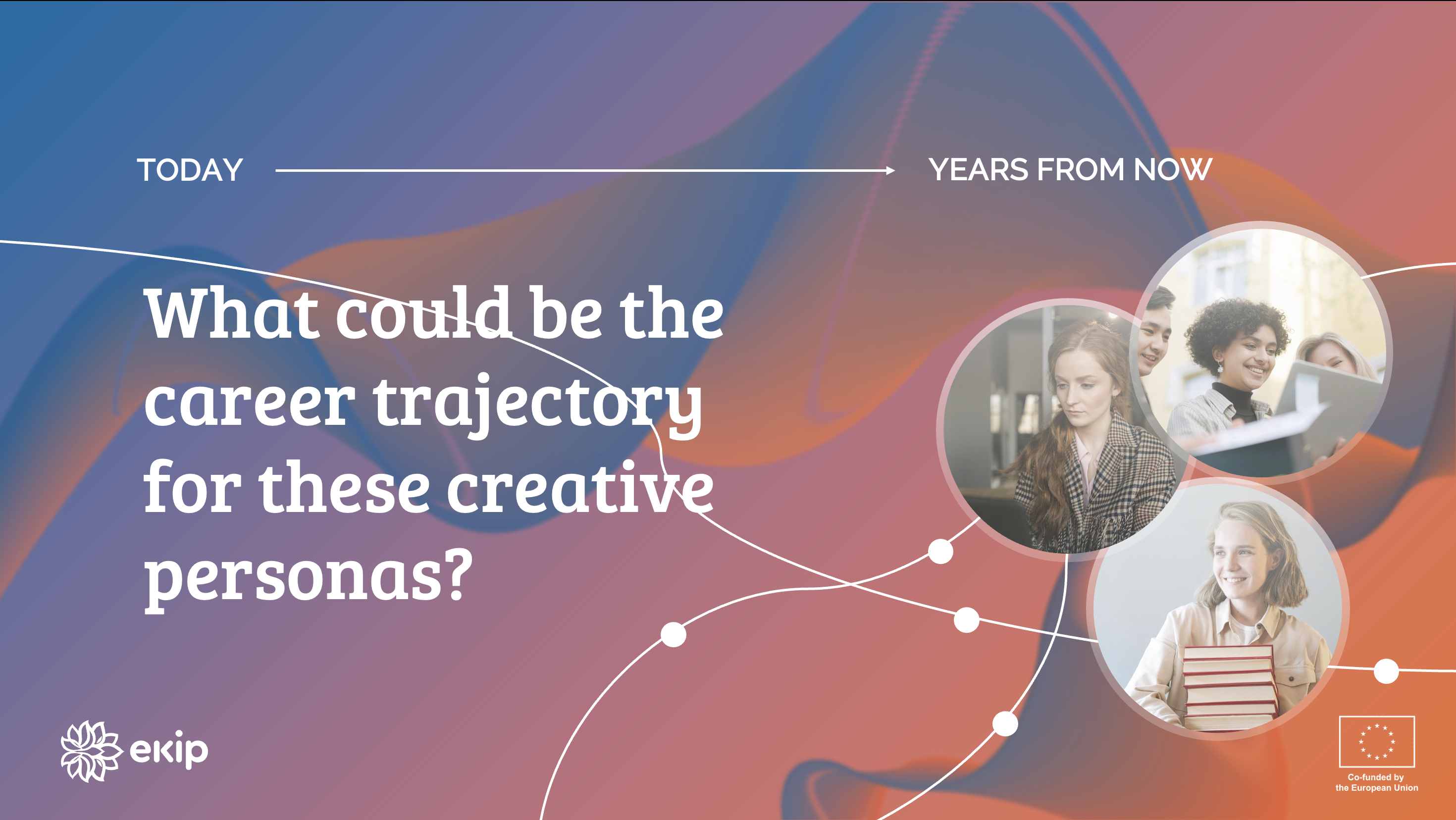
    Navigating the Future of CCIs: A Backcasting Approach to Career Design

    The Cultural and Creative Industries (CCIs) are undergoing a rapid transformation, driven by emerging technologies like AI and immersive realities. This fast-moving landscape presents a crucial challenge: how do we effectively guide current professionals toward the emerging career opportunities of tomorrow? This is one of the questions we aim to tackle within the ekip project, the European Cultural and Creative Industries Innovation Policy Platform.

    The EKIP initiative, funded by Horizon Europe, is dedicated to understanding and accelerating these transitions through research, policy, and collaboration. For each sector it studies, EKIP brings together policymakers, researchers, and creative practitioners to translate emerging needs into actionable frameworks for change.

    Our foresight exercise, conducted within ekip's identification phase , addresses this challenge by mapping actionable career paths from the future back to the present. Our method employed social media listening to track real-time conversations across sectors, helping stakeholders anticipate change and enabling the co-creation of smarter innovation policies .

    Posted on: 05/11/2025

    Post Image

    Last Edited: 2 years ago

    Global Hydrogen Justice

    How can Green Hydrogen Contribute to a Just Energy Transition for All?

    Since hydrogen energy, in particular green hydrogen, is increasingly regarded as an important energy carrier in the EU's transition strategies towards a carbon-neutral future, questions concerning both the shape and size of a hydrogen economy need to be asked now. Green hydrogen, it is assumed, can play a significant role in the de-carbonization of high-energy-intensive industries and (some means of) transport as it can both deliver and store a tremendous amount of energy. For hydrogen energy to be sustainable - in other words, for it to be "green" - it must be produced from renewable energy sources, such as wind or solar. However, since at least in some EU countries, such as Germany and the Netherlands, the potential of renewable energy production is limited in the sense that it won't be able to meet projected green hydrogen demands, policymakers are increasingly looking to establish international partnerships to produce green hydrogen outside the EU and import it for national use - with a particular focus on countries in the Global South. 

    Posted on: 25/11/2024

    Post Image

    Last Edited: 10 months ago

    Supporting the institutionalisation of future-oriented policymaking

    A new initiative to support EU Member States in embedding long-term, anticipatory thinking into decision-making at every level—national, regional, and local. 

    Future-Oriented Policymaking is an ongoing joint project by the European Commission Directorate-General for Structural Reform Support (DG REFORM) and the EU Policy Lab of the Joint Research Centre. The project supports foresight capacity building in EU Member States and integrating future-oriented thinking into decision-making.

    The project supports foresight capacity building in EU Member States and integrating future-oriented thinking into decision-making.

    Get involved!
    The success of the project depends on the active participation of policymakers, practitioners, and citizens. Whether you are an experienced foresight practitioner or entirely new to the concept, we welcome your insights.

    Share ideas, take our survey*: Help us understand your needs and shape the final deliverables. What has worked well in your context? What challenges have you faced? How can we make foresight more relevant to your needs? > Survey

    Join our beta testing group**: Be among the first to try out our new toolkit and training materials. Your feedback will help us refine and improve these resources for everyone (fill in the survey and click join beta testing group at the end).

    * Preferably before 12 September 2025 to make full use of your ideas.

    * *Places for beta testing are limited, and we are committed to working with a diverse range of partners. If you are interested, please fill in the survey by 5/09/2025 . We will confirm participation after that date. Institutionalising future-oriented policymaking is a collective journey, which requires commitment, curiosity, and courage: from leaders, civil servants, and citizens alike. Let’s work together to make foresight a cornerstone of European policymaking. 

    Stay tuned for updates and don’t hesitate to reach out if you’d like to contribute to this exciting initiative.

    > Future-oriented Policymaking 

    Posted on: 29/08/2025

    Post Image

    Last Edited: 2 years ago

    The future of Europe: futures imagined by Greek citizens

    A portrait of how EU citizens imagine their futures - analysing stories collected through the #OurFutures project.

    What will Europe look like in 2040? How will we travel, how will our society be organised, how will our schools function and what kind of jobs will people have? These are just some of the questions we have been asking Europeans to reflect on as part of the #OurFutures project launched by the EU Policy Lab. Through it, we collect EU citizens' images through a narrative inquiry method.

    We recently did this in Greece, in close collaboration with foresight experts in the Greek government by reaching out to Greek citizens to gain insights into how people in this part of Europe would like the future to look like.

    We have spoken to Epaminondas Christophilopoulos (UNESCO chair on Futures research at the Foundation for Research and Technology) and Vivian Efthimiopoulou (communication expert), focusing on some of their findings which demonstrate the value of citizen-generated future images for developing people-centric policies at both national and EU level.

    Posted on: 24/10/2024

    Post Image

    Last Edited: 2 years ago

    Shaping the Skills Needed for the Future of Automated Mobility

    In the fast-moving realm of mobility, one fact stands out: the road to success requires new skills. To meet evolving customer needs, embrace cutting-edge technologies, and fulfil environmental commit-ments, the transport sector is turning to automation for sustainable, cost-effective, and inclusive mobility solutions. However, the interplay between automation, reskilling, and sustainability is more complex than meets the eye.

    Posted on: 25/11/2024

    Post Image

    Last Edited: 2 years ago

    Foresight on Land and Sea Use

    Addressing the Degradation of Ecosystems through Scenario-Making

    The key to biodiversity’s preservation? Fostering collaborations between the scientific community and policymakers by using a future-oriented mindset.

    Posted on: 25/11/2024

    Post Image

    Last Edited: 2 years ago

    The Future of Social Confrontations

    The Scenarios

    Social confrontations signify the struggle about how we want to shape our futures. Rooted in different narratives represented by different social groups they are often competing for the sovereignty of interpretation of what a particular future may look like and how we are to achieve it. Social confrontations are not a singular phenomenon; instead, we live in a world of multiple social confrontations, and they co-exist, overlap, and compete. The divides social confrontations create can go across all spheres of life: education, care, health, nutrition, energy, mobility, communication, race, gender, political power, migration, etc. This blog post explores how these developments are likely to impact the futures of democracy in Europe. To this end, we present four scenarios that chart diverging pathways on how social confrontations could evolve in the next 15 years under various drivers and trends and what role they could play for the democratic development in the EU. The four scenarios discuss various development paths - they are intended to explore diver-gent possibilities and do not always depict a preferable future.

    Posted on: 25/11/2024

    Post Image

    Last Edited: 2 years ago

    Understanding Foresight-Policy Interactions

    The Role of Institutionalization

    ❓ Why hasn't the government gotten back to us about this great foresight study we did? 


    If you are involved in #PolicyOrientedForesight, #AnticipatoryGovernance and #StrategicIntelligence, you may have questioned the fit and impact of your work on policy. In our new publication, Philine Warnke, Sylvia Veit and I problematize these complicated foresight-policy interactions.

    📖 "Understanding Foresight-Policy Interactions"

    We propos e "institutionalization" as a process that shapes the formation of working practices and routines along four dimensions. Rather than trying to measure how foresight affects policy decisions, we are looking at how institutionalization affects the government's ability to absorb, interpret, and adopt anticipatory practices.

    Our findings
    -Decades of research on policy advice have taught us that simply providing 'better' methods does not necessarily result in 'greater' impact.
    - We argue that one conducive factor for avoiding loose ends in foresight-policy interactions and facilitating absorption of results consists in its institutionalization along all dimensions (organizational, regulative, normative, and cognitive-cultural).
    - foresight does not align well with the existing structures and procedures of the federal ministerial bureaucracy in Germany which are characterized by a strong departmental principle, resulting in ‘turf wars’ and ‘negative coordination’.
    - The findings of our research suggest that a purely rationalist approach to the adaptation of foresight is inadequate.

    This work represents the academic spin-off for an international readership of a study commissioned by the German Federal Chancellery and published in 2022.
    --> https://www.bundesregierung.de/breg-de/aktuelles/studie-strategische-vorausschau-2059782 

    Posted on: 05/11/2024

    Post Image

    Last Edited: 2 years ago

    Czech Priorities

    Megatrends and Grand Societal Challenges Summary

    A proposal for a methodology to identify Megatrends and Grand societal challenges with a significance for Research and Innovation in the Czech Republic

    Posted on: 25/11/2024

    Post Image

    Last Edited: 2 years ago

    Scale Matters in Green-Hydrogen

    To be of relevance to energy, green hydrogen and related technologies need to be scaled up hugely. To reach such a mass market, a low-cost clean-hydrogen supply must be available. However, to lower the price of hydrogen, much larger H2-markets and volumes are needed. The scale and the cost (of green hydrogen) go hand in hand. But they also form a classical Chicken and Egg problem, which many now successful clean energy technologies have likewise faced in the past and managed to overcome.

    Posted on: 25/11/2024

    Post Image

    Last Edited: a year ago

    GIZ‘s latest foresight work on geopolitics and sustainable development

    Future-proofing the organization

    For years, the world has been described as being in a state of perma-crisis. As a federal enterprise working in the fields of international cooperation for sustainable development and international education, the Deutsche Gesellschaft für Internationale Zusammenarbeit (GIZ) GmbH is strongly affected by the political and economic environment in which it operates. This is why it is important for GIZ to understand the underlying drivers of change and possible future developments so that it can prepare for the future and the challenges it will face, ultimately making the organization and its staff more resilient.

    With its broad network of staff and international experts in over 120 partner countries, GIZ is well equipped to monitor and differentiate relevant signals and developments. At headquarters, a dedicated foresight team addresses future issues at a corporate level and contributes to the company's strategic decision-making.

    GIZ’ foresight report 2024

    Sustainable development is GIZ’s core business. The 2030 Agenda provides the framework for GIZ’s global activities. As the year 2030 is getting closer, the question is: will the negotiations on a new agenda be successful? But one thing is clear: any negotiation process and subsequent implementation will be increasingly shaped by geopolitical factors. This is why, the 2024 foresight report of GIZ, focuses on geopolitics, sustainable development and the global agenda for the next decade.

    In total, the views of more than 100 GIZ colleagues from GIZ's HQ and the field structure were incorporated into the report through various workshops. In addition, the report is based on extensive analysis of secondary sources, and interviews with more than 30 experts from various (international) institutions to ensure that the report also reflects perspectives from outside GIZ.

    The scenarios (strongly condensed for this post) are based on the four archetypes of the Manoa School of Futures Studies and Jim Dator, which represent four recurring paths of human civilization found in all cultures. Each scenario is supplemented by two to three short wildcards, some of which are listed here as examples.

    Posted on: 18/03/2025

    Post Image

    Last Edited: a year ago

    Multi-country foresight

    Concept and methodology for multi-country foresight application on science-technology-innovation and productive chain policies

    The present paper proposes a conceptual framework for elaborating and improving the application of foresight methods for policy making at multi-country level. Multi-country foresight (McF) shall be designed and used to analyse future-oriented common issues and goals, detect opportunities for cooperation and eventual conflicts of interest, identify complementary attributes, and promote supra-national or global facilities, infrastructures and services. Attention is given to participation mechanisms, allowing the implementation of common visions of the future by joining efforts, knowledge stocks, economic and political strengths, and improving international collaboration, strategic alliances and networking. The concept addresses two main development vectors: science, technology and innovation (STI) systems and productive chains. The core idea here is to use the foresight process as a tool for establishing multi-country STI policies and programs as well as policies and strategies for promoting global productive chains. The paper is particularly dedicated to developing countries and economies in transition.

    Posted on: 30/01/2025

    Post Image

    Last Edited: 2 years ago

    How Scenarios Could Support the Orientation of R&I Agendas

    Making use of the four “Imaginaries for a Sustainable Europe* in 2050” presented by the European Environment Agency and the Eionet**

    Posted on: 25/11/2024

    Post Image

    Last Edited: a year ago

    Imagination and metacognition in Futures & Foresight process

    The liminal dimension of anticipatory learning: imagination and metacognition in Futures & Foresight processes

    Imagination, in common discourse, is often relegated to a secondary domain of thought – a frivolous, playful, and unreliable mental activity confined to childhood, the arts, or, at best, applied creativity. A “magic box” that opens only when logical rigor relaxes, when attention drifts toward invention and fantasy. Yet this view, however seductive, is ultimately reductive – if not misleading.

    When examined through the lens of contemporary cognitive science, imagination instead reveals itself as a profound and complex cognitive function. Not only does it actively participate in processes of knowing, but it also constitutes one of their foundational dimensions. It is the mental faculty through which we construct alternative worlds, test hypothetical scenarios, and explore the unknown without needing to experience it directly. Far from being a mere appendage to rational thought, it serves as one of its key structural supports.

    Even more striking is what emerges from recent scientific research: imagination possesses a metacognitive character. This means it does not merely generate mental content that diverges from reality, but is also capable of reflecting on itself – monitoring and adjusting its own trajectories, becoming the object of awareness and intentional regulation. In other words, imagining is not just about conjuring what is absent from the world, but also about knowing one is imagining, directing that act toward specific goals, and assessing its quality, limitations, and implications.

    This represents a genuine epistemological shift – recasting imagination not as a passive or automatic process, but as a strategic ally of thought. Within this framework, imagination emerges as a faculty that weaves together multiple dimensions of our cognitive experience:

    • perception, which provides sensory input;
    • intuition, which enables rapid, non-linear associations;
    • intentionality, which channels imaginative effort toward a purpose;
    • and self-awareness, which allows us to revise and reinterpret what has been imagined, imbuing it with meaning and value.

    It is within this layered and dynamic space that imagination assumes a renewed role: no longer a retreat into the unreal, but a critical tool for probing the possible. It becomes the lens through which we may observe not only what is, but what could be – and, through this, reconfigure our relationship with the present.

    It enables us to anticipate without predicting, and to plan without constraining.

    In educational, professional, and social contexts – and even more so within the fields of Futures Thinking and Foresight – this reconceptualization of imagination as a metacognitive skill proves to be strategically essential. To anticipate the future is not to guess what will occur, but to cultivate a gaze that can recognize alternatives, navigate uncertainties, and imagine trajectories not yet in existence. Doing so requires more than creativity; it demands a deep literacy in conscious imagination.

    To rediscover imagination through a metacognitive lens is to restore its dignity as an epistemic, transformative, and educational faculty. A faculty not only capable of generating visions, but also of sustaining, interrogating, and refining them. A power to be reintegrated into our intellectual and civic formation – so that it may help us not only to imagine different worlds, but to understand the conditions that make them possible.

    Posted on: 09/06/2025

    Post Image

    Last Edited: 8 months ago

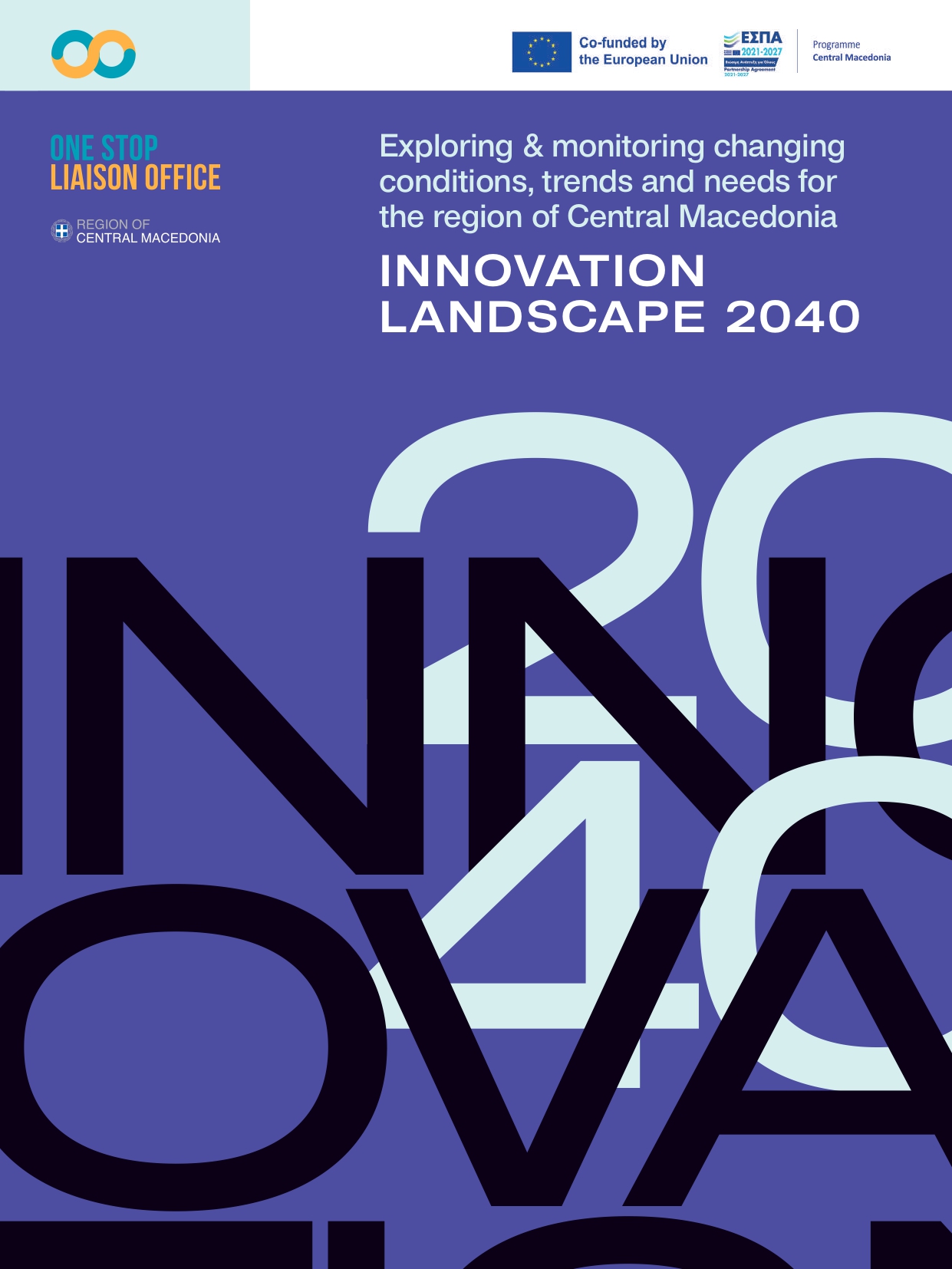
    Innovation Landscape 2040 in Central Macedonia, GR

    From methodology to results, the new “INNOVATION LANDSCAPE 2040” study by the Region of Central Macedonia proves that innovation is a deeply human phenomenon — not merely a technocratic process reserved for startups, executives of large corporations and researchers. Based on a participatory workshop involving people from the region’s ecosystem, the study highlights, beyond a favorable investment climate, human capital and a supportive culture as key ingredients for the future of innovation in Central Macedonia.


    Innovation will save us. Or maybe not. Often presented as the “recipe” for economic growth and improved performance indicators — a kind of magic formula known only to a select few — innovation tends to be treated as an exclusive club, with unknown entry requirements.


    In reality, things are quite different, though. The African proverb “it takes a village to raise a child” applies perfectly to innovation: a process inherently collaborative and adaptable to constantly changing external conditions. Even the emergence of a single new idea depends on mechanisms often invisible to the naked eye — systems and networks of people who interact, exchange ideas, and share experiences. At the same time, global phenomena such as (geo)political turmoil, climate change and its impact on tourism and agriculture, and Artificial Intelligence with the automation of many processes, are redefining our priorities and needs, shaping new challenges and opportunities for innovation.
    Posted on: 21/10/2025

    Post Image

    Last Edited: 9 months ago

    The Missing Architecture of Tomorrow

    Politics, Peace, and Planet in Europe’s Hands

    Europe today is caught between the urgent and the essential. Governments scramble to patch immediate crises — from spiralling energy prices to migration spikes — while the essential task of building a sustainable, peaceful future slips from view. The result is a continent that often appears paralysed, not because Europe lacks vision, but because national short-term politics keep overwhelming shared commitments. From a futurist’s perspective, this constant firefighting is a dangerous distraction: it blinds us to the signals of tomorrow that are already here, and are waiting to be scaled.

    Recent examples make this clear. Germany’s government backtracked on climate legislation after a backlash over household heating rules, diluting one of Europe’s key steps toward net zero. France fought to have nuclear reclassified as “green” in the EU’s taxonomy, fracturing momentum on renewables. In Italy, Giorgia Meloni struck unilateral deals with Tunisia to block migrant boats, undermining solidarity in the Union. Hungary has repeatedly vetoed European aid to Ukraine, while Poland demands coal exemptions from EU climate targets. Each of these cases shows how fragmented agendas chip away at collective credibility.
    Posted on: 06/09/2025

    Post Image

    Last Edited: a year ago

    Shaping Democracy’s Futures in Moldova

    Foresight lessons from a critical crossroads: Democratizing youth futures and using foresight for innovations in democracy tech

    I had the privilege to participate in a democracy conference and hackathon in Moldova in October, just days before the country’s pivotal EU referendum and presidential elections. Organized by the Alliance of Democracies Foundation in collaboration with local partner Yep Moldova and supported by USAID and the New Democracy Fund, the event was a hub of creativity, democratic innovation and a dose of foresight.

    Posted on: 16/12/2024

    Post Image

    Last Edited: a year ago

    Nokia Corporation Hosted the LFF Consortium Meeting

    The consortium of LifeFactFuture (LFF) gathered for a successful event on 12 March 2025 at Nokia in Espoo. Nokia provided an exceptional venue for the event, showcasing t...

    The consortium of LifeFactFuture (LFF) gathered for a successful event on 12 March 2025 at Nokia in Espoo. Nokia provided an exceptional venue for the event, showcasing their advanced facilities and ongoing development efforts.

    Our host, Veli-Pekka Luoma, who opened the event, introduced the magnificent facilities of the Executive Experience Center in Espoo.

    Nokia shared valuable insights into their LifeFactFuture activities. Tomi Lahti presented the new Nokia factory campus in Oulu and discussed Nokia’s initiatives in MTP and Modular Automation within the Biopharmaceutical Industry. His presentation emphasised Nokia’s cutting-edge capabilities, the significance of data architecture and common reference models (OPC UA), and the benefits of Edge computing over Cloud solutions for latency-critical operations, especially in times of geopolitical uncertainty.

    Perry Suojoki supplemented the discussion with a fascinating view on how RXRM (Real-time eXtended Reality Multimedia) can enhance industrial productivity, particularly in the life science sector.

    See the presentations from Nokia:

    Veli-Pekka Luoma: LifeFactFuture at Nokia Espoo Campus
    Nokia Oulu New Campus
    Tomi Lahti: MTP and Modular Automation in the Biopharmaceutical Industry
    Perry Suojoki: Nokia RXRM for Pharmaceutical Industry
    After the introduction to Nokia and their ongoing projects, each university-based Work Package presented the state of their research. Finally, each company partner briefly introduced where they are with their internal projects. All consortium partners demonstrated progress in their projects and showed strong commitment to the LifeFactFuture initiative. Several companies already reported demonstrable results, for example a solution that after successful deployment in Finland is now already being rolled out to company locations elsewhere.

    Key Takeaways:

    Excellent facilities and development work at Nokia
    Insights into Nokia’s LifeFactFuture activities, including MTP and Modular Automation
    The importance of data architecture, common reference models, and Edge computing
    The potential of RXRM to boost industrial productivity
    The importance of joint ecosystem cooperation
    Strong progress and commitment from all partners
    Veli-Pekka Luoma has also already summed up in LinkedIn the event with additional photos from the day.

    As he writes beautifully in the comments:

    “We may see that ‘everything’ circulates around the Data, and AI as a toolkit consuming, processing, assessing, operationalising it. Data is the new Soil.”  

    Posted on: 08/04/2025

    Post Image

    Last Edited: 2 years ago

    S&T&I for 2050 Project Approach and Methodology

    The project “S&T&I for 2050” is structured around five intertwined tasks:

    Posted on: 25/11/2024

    Post Image

    Last Edited: 2 years ago

    Portugal’s Path Forward

    Key Insights from Recent Foresight Publications

    The following recently published and upcoming reports and books shed light on future-oriented insights with a special focus on Portugal. These materials explore a range of topics, from economic development and technological innovation to environmental sustainability and social trends specific to the region. By delving into these resources, readers can gain a comprehensive understanding of the challenges and opportunities that Portugal may face in the coming years.

    Posted on: 25/11/2024

    Post Image

    Last Edited: 2 years ago

    The Elephant in the Room Is Getting Old

    Nobody wants to die early. The desire to stay healthy and to have a long-lasting life is enormous. At first glance, it seems as if the increasing number of older people in the EU is in accordance with that. When having a closer look at that trend, three main factors seem to contribute to an overall older population: a generally increased life expectancy, a modern, readily accessible medical system, healthier lifestyles, and low birth rates. Migration is a counter-trend to the ageing society, as the majority of migrants to the EU are young families. This fact, however, does not substantially diminish the absolute number of older people in the EU. The potential consequences are diverse. Although people get older while being healthier, it is likely that the cost of health care will rise, putting an extra burden on the health insurance system. Hence, we might have to expect a clear social divide: Will only rich people be able to afford to get old? Or are the additional health-related costs going to be shifted to younger generations? Will the state have to step in?

    Posted on: 25/11/2024

    Post Image

    Last Edited: a year ago

    What will Research and Teaching look like in 2050? Take the survey !

    This seems far away but you will be shaping the path to the future!

    Have you ever wondered how you will (still) be conducting research or teaching in 2050? 

    The Foresight on Demand consortium (FOD2) invites you to participate in a survey in context to “Demographic change: implications and opportunities for Europe’s R&I system by 2050”.


    Your input will help identify weak signals, early trends, and unexpected ideas that could shape research careers, higher education, and innovation systems in Europe by 2050.


    Whether you are noticing shifts in work culture, research or teaching models, funding landscapes, please take 10-15 minutes and share your thoughts ! The survey is open until April 18.

    Posted on: 25/03/2025

    Post Image

    Last Edited: 2 years ago

    Global Commons

    Definitions, Concepts and Perspectives – Towards a Taxonomy

    Global commons have been traditionally defined as those parts of the planet that fall outside national jurisdictions and to which all nations have access. International law identifies four global commons, namely the High Seas, the Atmosphere, the Antarctica and the Outer Space. These resource domains are guided by the principle of the common heritage of mankind. Resources of interest or value to the welfare of the community of nations – such as tropical rain forests and biodiversity - have lately been included among the traditional set of global commons as well, while some define the global commons even more broadly, including science, education, information and peace. To incorporate the potential for overuse by some at the expense of others, they can also include the atmosphere, land, ocean, ice sheets, a stable climate and biodiversity

    Posted on: 25/11/2024

    Post Image

    Last Edited: 2 years ago

    Curbing the Elusive Force of 'Modern Bigness'

    MOBI stretches the legal dimension, searching for normative responses to Big Tech’s composite power threats to free market competition and European democratic values.

    Posted on: 25/11/2024

    Post Image

    Last Edited: 9 months ago

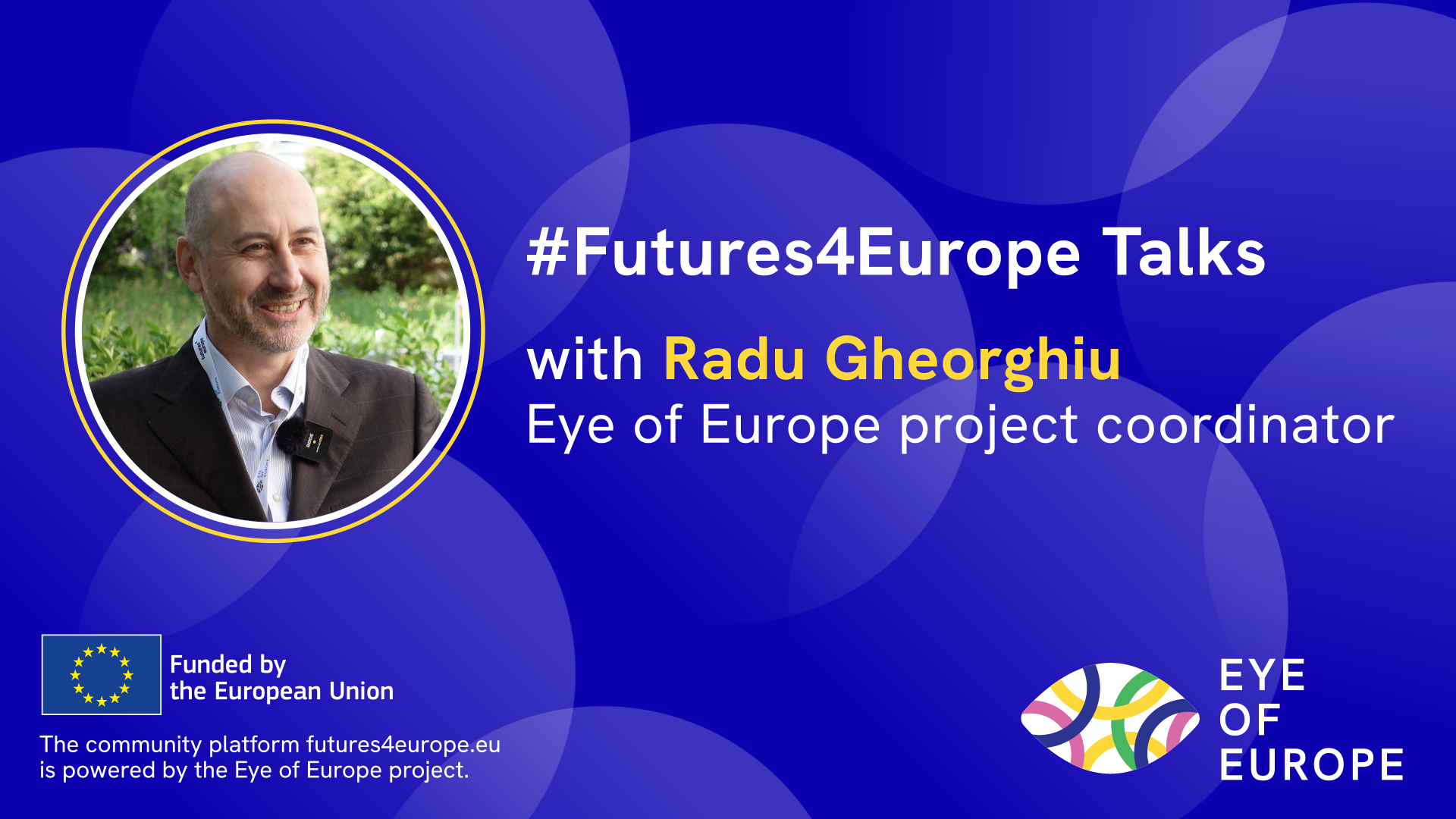
    Futures4Europe Short talks #1

    Radu Gheorghiu, coordinator of the Eye of Europe project

    The EU-funded Eye of Europe project is about growing and connecting the Foresight Community in Europe — bringing together policy makers, domain experts, researchers, and engaged citizens to co-create the futures we want.


    In this short interview, Radu Gheorghiu, coordinator of the Eye of Europe project, introduces the Futures4Europe plaform and shares with us how foresight can become a collective and transformative practice that helps us better understand both the future and the present.

    Link to the interview : https://www.youtube.com/watch?v=k4oy2vLrt1Q 

    Posted on: 08/09/2025

    Post Image

    Last Edited: 2 years ago

    Alternative Climate Scenarios 2040

    Deepening Divisions

    This autumn experts are developing alternative climate scenarios as part of a foresight project that helps prepare the 2nd Strategic Plan 2024-2027 of the Horizon Europe Framework Programme for R&I. The project is conducted by the “Foresight on Demand” Consortium on behalf of the European Commission, DG RTD. In a Deep Dive area “Climate change and R&I: from social change to geoengineering”, together with the other members of the expert team, I am developing, among others, this 'deepening divisions' scenario.

    Get involved, comment on the scenario and relate the scenario to recent developments!   

    Posted on: 25/11/2024

    Post Image

    Last Edited: 2 years ago

    Copyright Harmony to Unite in Diversity

    ReCreating Europe re-thinks copyri ght codes and the management of creativity in the digital era by looking at the interplay between copyright, access to culture, and fair representation of creators and users.

    Posted on: 25/11/2024

    Post Image

    Last Edited: 2 years ago

    Shaping Futures, Story by Story

    Posted on: 25/11/2024

    Post Image

    Last Edited: 2 years ago

    The future of Europe: what do you imagine it will look like?

    A portrait of how EU citizens imagine their futures; analysis of stories collected by #OurFutures

    We invited people across the EU to share their imagined futures. For this collection we, the European Commission’s Competence Centre on Foresight, used a narrative inquiry method. Instead of asking opinions about the future, we asked participants to share a story about their desirable future, followed by a few questions about that story, in order to more fully comprehend their thinking. In this process we were guided by Voices That Count.

    In this article, we’ll take a look at the first 591 stories of people that participated so far, mostly from Greece and Slovenia, followed by Germany, Spain and Italy. Approximately half of them are students, and the other half mainly consists of employed people. 


    Posted on: 18/10/2024

    Post Image

    Last Edited: 2 years ago

    With Big Tech comes Big (Ethical) Responsibility

    In a world pervaded by the rapid entrance and development of new technologies, the pace at which ethical concerns are addressed is not always in sync. TechEthos, a Horizon 2020 project, wants to facilitate “ethics-by-design” in order to push forward ethical and societal values into the design and development of new and emerging technologies at the very beginning of the process.

    Posted on: 25/11/2024

    Post Image

    Last Edited: a year ago

    Interview with Mikkel Knudsen, Project Specialist at Finland Futures Research Centre

    Futures4Europe interviewed Mikkel Knudsen, whom besides working in the Eye of Europe Project is also a project researcher in Futures Studies and doctoral researcher in Po...

    Posted on: 01/07/2025

    Post Image

    Last Edited: a year ago

    Backcasting the Future of Decentralized Education

    a short movie made with AI tools

    What if education wasn’t controlled by institutions but shaped by learners, communities, and technology? Using backcasting, I explored a future where learning is decentralized, open, and driven by collaboration—and mapped the steps to get there.

    This vision is inspired by discussions between Sara Skvirsky (IFTF Research Director) and Katherine Prince (VP of Foresight & Strategy, KnowledgeWorks), as well as the 2020 Forecast: Creating the Future of Learning - a report that, even today, feels like a glimpse into what’s coming.

    🔹 How do we get there?

    - From institutional control to collective intelligence
    - From passive learning to a culture of creation
    - From centralized credentials to peer-validated knowledge
    - From rigid curriculums to dynamic, adaptive education


    🎥 Watch the short film exploring this future!

    Posted on: 18/02/2025