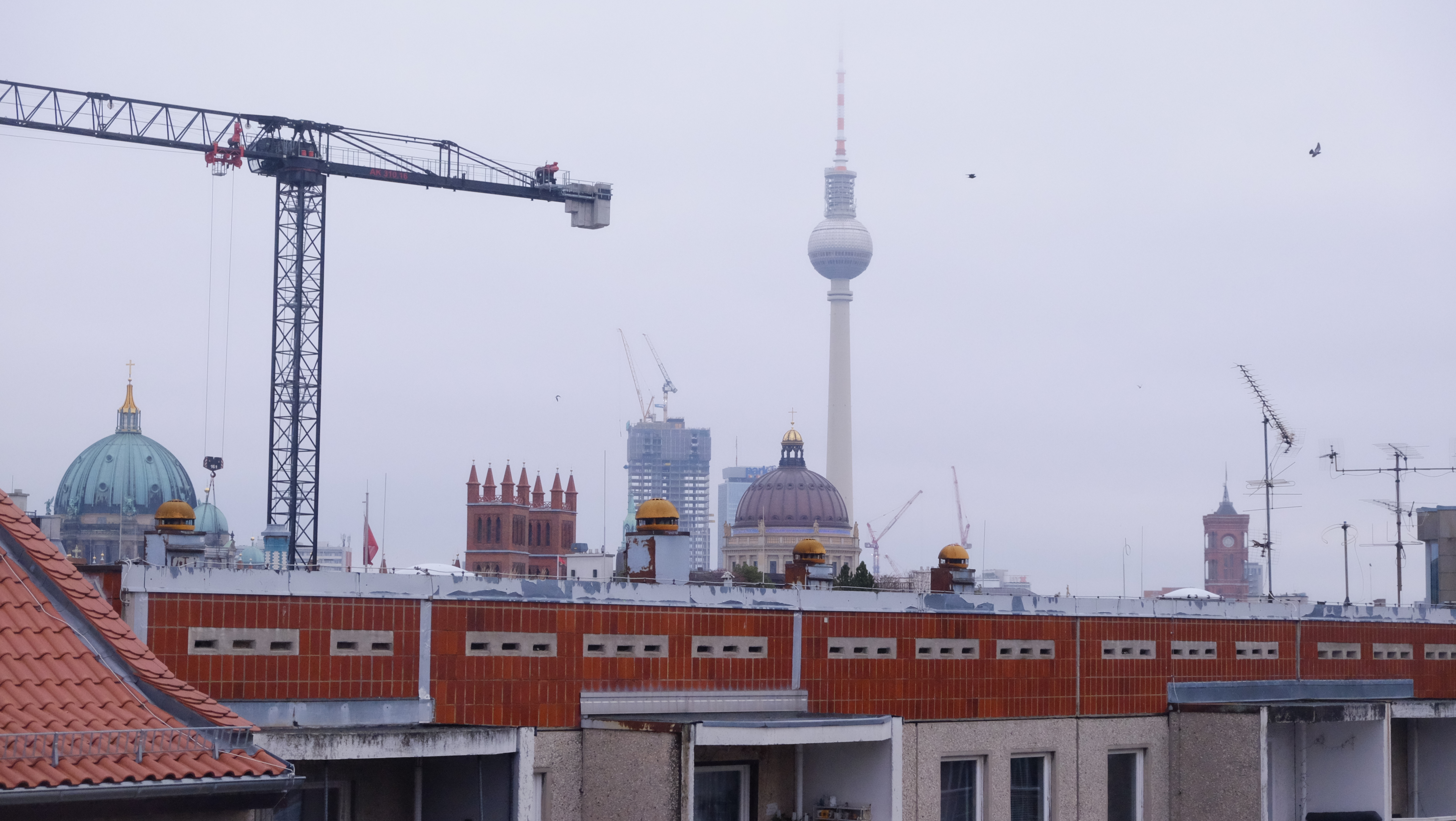
The Knowledge of our Civilizations in 2040 — a foresight workshop hosted by the Foresight Team of the Fraunhofer Institute for Systems and Innovation Research ISI — took place on 20–21 November 2025 at the Berlin-Brandenburg Academy of Sciences and Humanities.
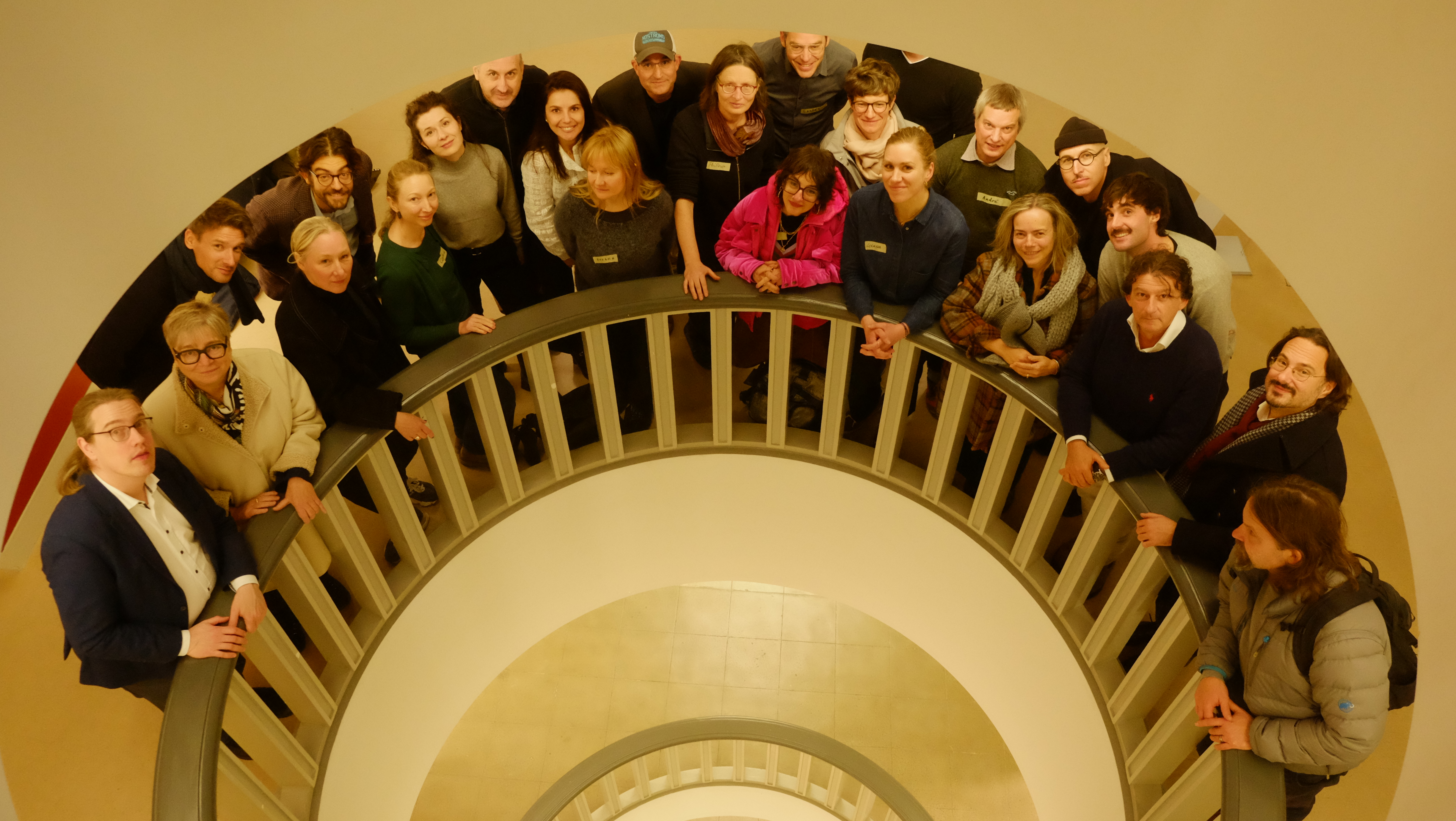
The workshop brought together 28 people from a wide range of academic disciplines as well as artists and futurists from across Europe.
At the heart of the workshop was the open question of how future civilizations might define, create, harness, value, share, embed and apply knowledge. Our aim was to explore both conceivable and desirable alternative futures for the knowledge of our civilization in Europe by the year 2040.
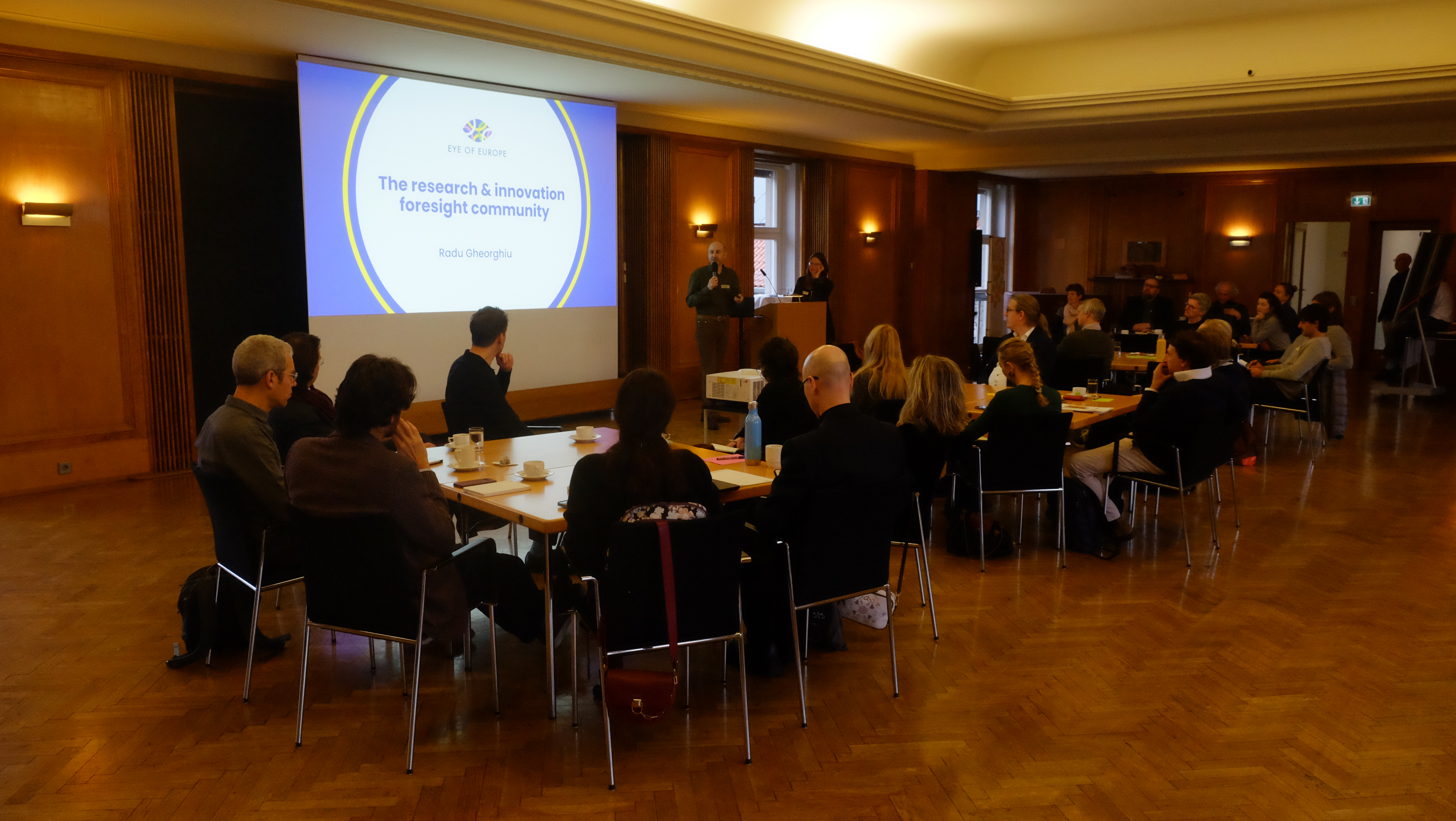
For structuring the Foresight journey, we applied a Causal Layered Analysis (CLA) (1) approach. As a s tarting point for the CLA journey we applied the notion of “trouble” which we interpreted in a positive way as an area where things are on the move so “staying with the trouble” (2) holds the promise of uncovering relevant fresh perspectives for the future.
The journey unfolded in three sessions:
Session 1: Mapping the Trouble
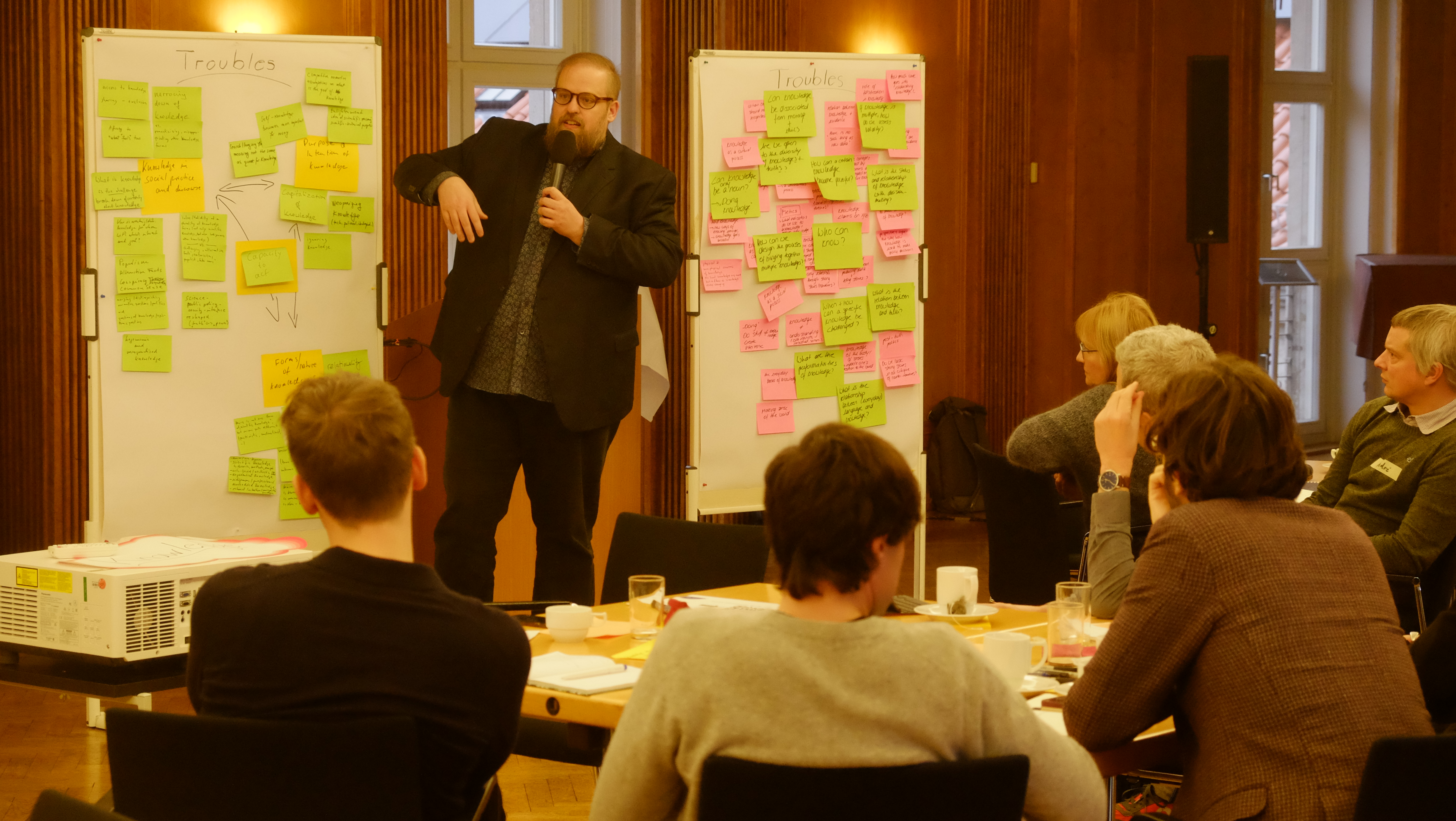
The first session was dedicated to identifying the “troubles” in the present situation of knowledge as a starting point for the CLA journey. Across four groups, participants identified the following aspects:
• Having knowledge vs doing knowledge/ Unclear relationship between knowledge, competencies and decision making.
• Confusion around nature and form of knowledge/ Tensions between the traditional science system and the complex world in need for orientation.
• Unclear relation between knowledge and truth/ When and how can knowledge be challenged? Are we open to the diversity of knowledge and truths? If knowledge is multiple, how can we assess validity? How can we design processes of bringing together multiple knowledges?
• Missing moral compass/ Can knowledge be dissociated from moral and ethics? How can a certain knowledge become powerful? Who can know? What is the performativity of knowledge?
(1) The method Causal Layered Analysis has been developed by futures researcher Sohail Inayatullah.
(2) Haraway, Donna Jeanne (2016): Staying with the trouble. Making kin in the Chthulucene. Durham, London: Duke University Press (Experimental futures Technological lives, scientific arts, anthropological voices).
Session 2: Diving into the Trouble
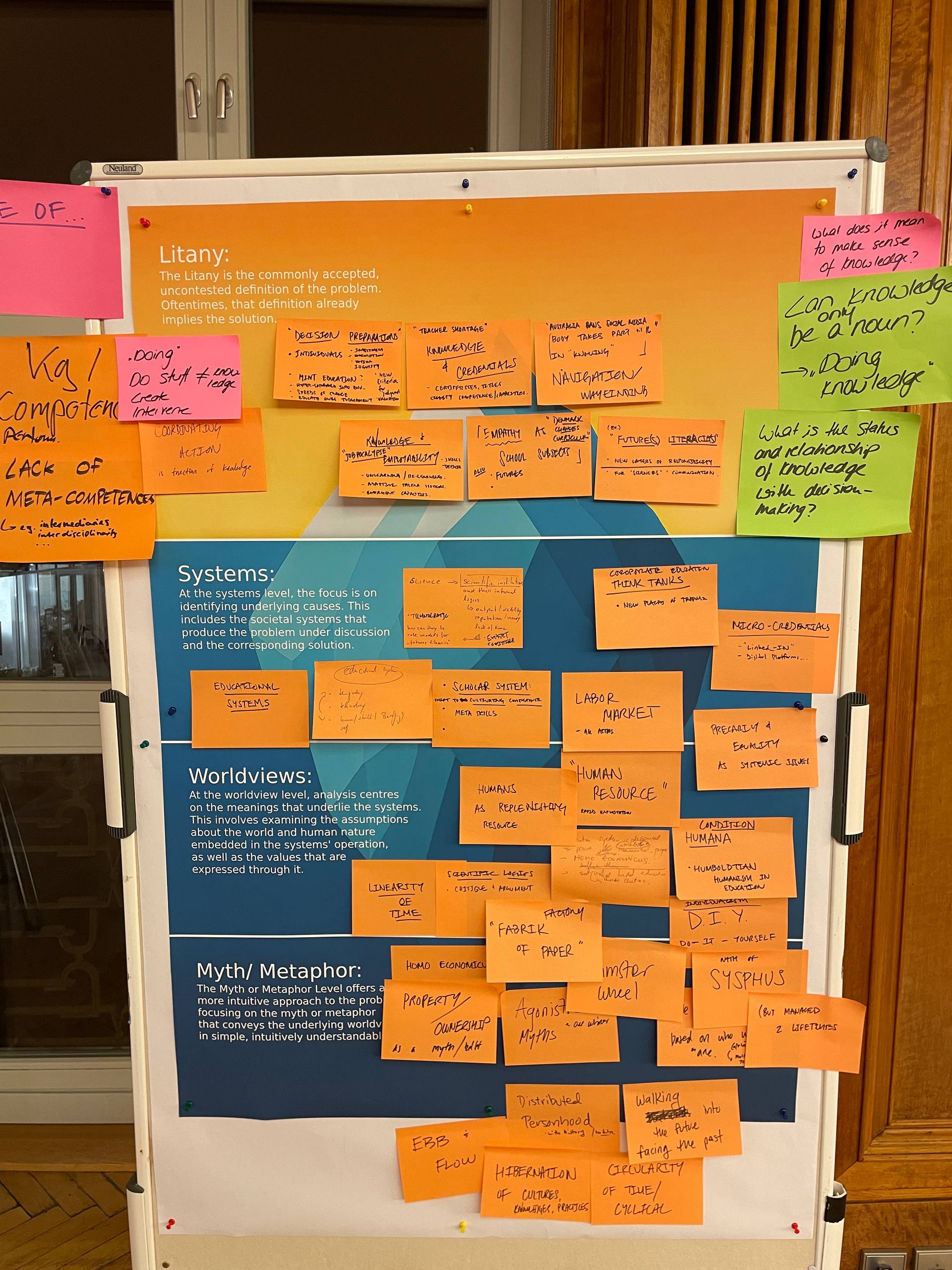
Following the CLA structure we worked downward from the “litany” to the underlying systems, worldviews, myths and metaphors in each of these “troubling” domains.
The session ended with a thought-provoking input by Lily Reyels, curator of the exhibition “Roads not Taken - Or: Things Could Have Turned Out Differently" at the Deutsches Historisches Museum Foundation (German Hist orical Museum). Along distinctive caesurae in the German history, the exhibition explores probabilities of unrealised history – prevented by accidents, averted by misfires or other kinds of shortcomings. This perspective encourages an understanding of the principal open-endedness of history as a result of constellations and decisions, actions and omissions.
Day 1 ended with a joint visit to the “Futurium. The House of Futures”, a museum dedicated to open ing up debates about possible and desirable futures.
Session 3: Reframing the Trouble
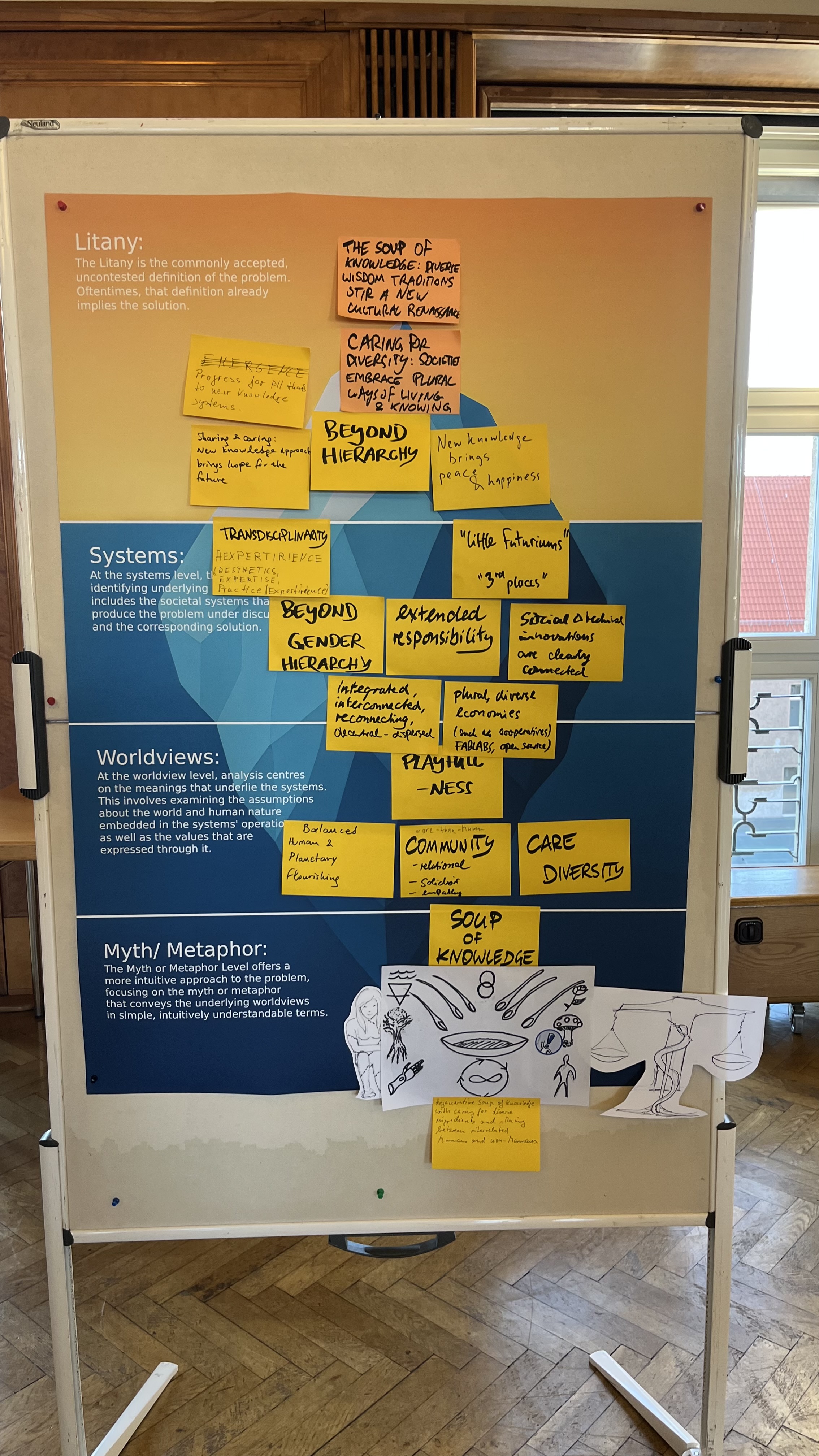
Inspired by the talk of Lili Reyels and the Futurium visit, on day 2 participants revisited their “Iceberg” and co-created alternative narratives about their trouble starting from more hopeful and constructive metaphors or myths and working upward through worldview and systems level towards a new litany with possible headlines of the future.
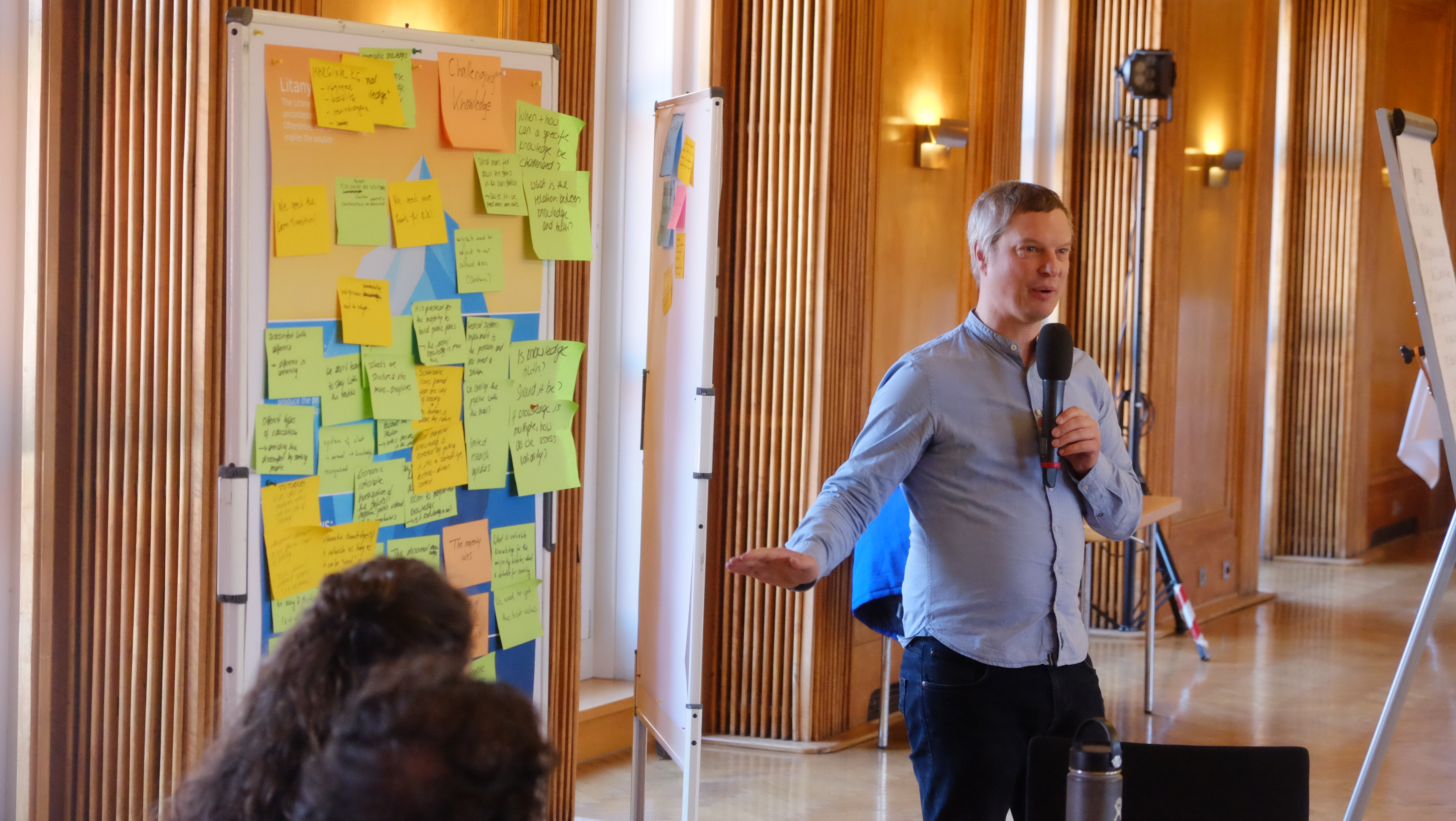
The workshop ended with presentations of the groupwork outcomes and a feedback round.
The full results will be presented in a report that will soon be provided on this page.