Loading...

    Mentions of

    sorted by publishing date

    Last Edited: 4 months ago

    Future of Sustainable Fashion IIMay 2025

    The Future of Sustainable Fashion event took place on Monday, April 14, 2025, at the MOMus - Museum of Modern Art in Thessaloniki, Greece. The workshop was implemented surrounded by the relative with the subject exhibition Collective Threads: Anna Andreeva at the Red Rose Silk Factory. This initiative was implemented by Helenos Consulting, a partner of the Eye of Europe Project, and aimed at engaging domain professionals, including foresight and fashion experts.

    Posted on: 01/10/2025

    Post Image

    Last Edited: 5 months ago

    The Future of Sustainability in a Post-Global World

    A New Sustainability Agenda Rooted in Access and Stability

    Sustainability in the Post-Global Era

    In the aftermath of decades of global integration, the model of hyperconnected markets is showing signs of retreat. Geopolitical instability, trade disputes, and resource scarcity are catalysing a structural shift that could reshape not only economies, but the very principles underpinning sustainability. Drawing from trend intelligence by Nextatlas, two pivotal developments emerge, developments that invite foresight professionals to rethink sustainability not as a static ideal, but as a dynamic field responsive to systemic transformation.


    The post-global era is not simply a reconfiguration of trade routes or supply chains; it marks a fundamental reframing of what society deems “sustainable.” In a world where inflation, scarcity, and volatility dominate headlines, environmental goals are becoming increasingly intertwined with economic and geopolitical concerns. 

    Nowhere is this reframing more evident than in the European Union, which has positioned itself as a global leader in linking sustainability with regulatory and economic frameworks. Through initiatives such as the European Green Deal, the Carbon Border Adjustment Mechanism, and stricter ESG reporting standards, the EU is setting benchmarks that extend far beyond its borders and reshape how sustainability is understood in practice.


    Nextatlas’ foresight model suggests a pivot: environmental degradation is no longer perceived as the singular sustainability threat. Instead, resource access, economic resilience, and supply chain transparency are becoming the new fault lines. This conclusion is grounded in more than a decade of Nextatlas’ machine learning work in cultural trend forecasting, built on a proprietary pipeline that ingests millions of data points each month from over 300,000 carefully selected sources, including social media users, niche influencers, scientific literature, design portfolios, and startup ecosystems. 


    Through natural language processing, semantic clustering, and visual analysis, these unstructured signals are structured into a dynamic semantic knowledge graph of thousands of interconnected micro-trends. By identifying early adopters with a demonstrated history of trend foresight, the model captures weak signals and emergent cultural dynamics before they reach the mainstream. With a 93% accuracy rate in trend prediction, this methodology provides a robust foundation for understanding the evolution from ecological awareness as individual virtue to sustainability as collective infrastructure.

    The Wasteless Economy
    The intentional rejection of overconsumption

    What was once framed as consumer minimalism is evolving into a more resilient, system-conscious behaviour: the Wasteless Economy. As global citizens face the tangible consequences of rising costs and diminished availability, consumption habits are adjusting accordingly. But unlike past recessions where thrift was reactive, today’s restraint is increasingly proactive and value-driven. In this new context, value is redefined by longevity, utility, and purpose. Careful selection, durability, and circular practices now consciously outweigh constant acquisition.


    This transformation has implications beyond market dynamics. It reflects a recalibration of what constitutes value and well-being in an era of systemic constraint. The Wasteless Economy aligns closely with long-term sustainability goals, emphasising durability, circularity, and resource efficiency, not just as ethical choices, but as strategies for social and economic stability. Amid persistent inflation and renewed tariffs on consumer goods, households are tightening their belts and are naturally drawn to buying less, buying smarter, and investing in lasting value. 

    Feeling the squeeze of both rising operational costs and evolving regulations, businesses are pivoting toward circular models, designing for durability, repairability, and reuse, not for sustainability branding, but as a smart financial strategy. Circular design reduces exposure to volatile supply chains and tariff-prone imports, while reinforcing consumer loyalty through accountability.


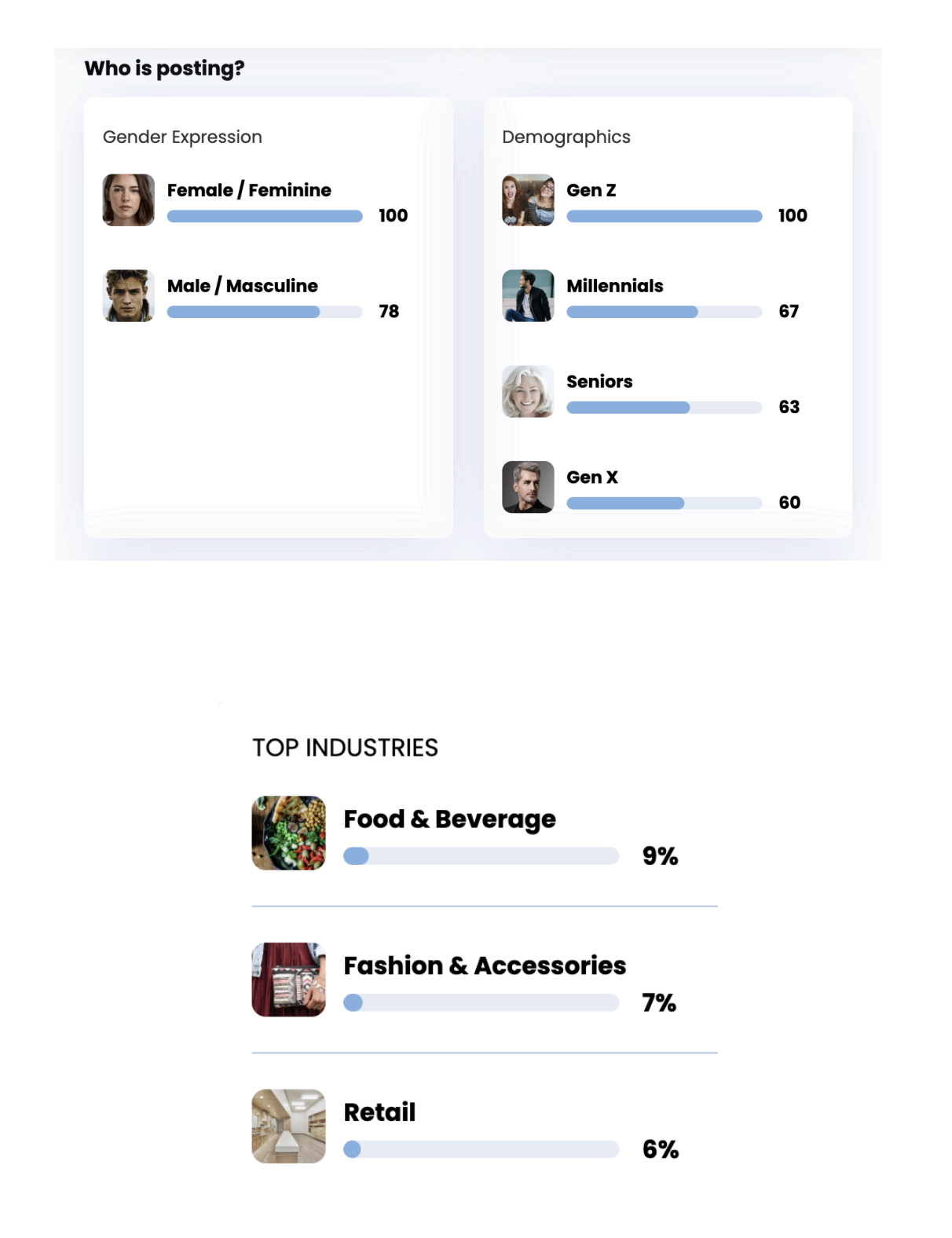
    This shift is most visible in food & beverage, fashion, and retail, industries where overproduction and disposability once defined the norm. Food companies must now design out surplus, embracing precision, seasonality, and resourcefulness as new standards of value. In fashion, longevity and modularity are replacing trend cycles, with resale and repair moving from fringe to fundamental. Retailers, in turn, are being called to transform from providers of endless choice into curators of care, offering fewer but better options that align with the values of restraint and longevity.

    For foresight practitioners, the shift underscores a key signal: in strained environments, sustainability flourishes not through moral appeal but through necessity. Efforts to design policy or governance around future-proofed systems must therefore centre not only on carbon metrics, but also on material longevity, repair ecosystems, and new models of sufficiency.
    Posted on: 23/09/2025

    Post Image

    Last Edited: 8 months ago

    Threads of Tomorrow: Fashion as a Force for Change

    What if fashion wasn’t just about what you wear—but about how you live, what you value, and where we’re all headed? That was the guiding question behind Future of Sustainable Fashion, an Eye of Europe pilot workshop hosted by Helenos Consulting on January 20, 2025, at Thessaloniki’s MOMus – Museum of Modern Art. Framed by the evocative Collective Threads exhibition by Anna Andreeva , the event invited participants to see fashion not just as style, but as a lens into the future—one that reflects our social values, ethical priorities, and growing environmental urgency. Through imagination and collaboration, citizens explored what the future of fashion might look like—and what it might reveal about the future of society itself.

    From favorite Sweaters & Emotions to Fashion time travel!
    The workshop kicked off with something disarmingly simple: “Draw your favourite fashion item”. But the answers ran deep. Whether it was a jacket from a loved one or a vintage find, the stories converged in common values: comfort, connection, ethics, culture, and identity. Clearly, fashion isn't just about looking good—it’s a mirror for our values and our times.
    After getting to know each other better, the five participant groups dived into fashion’s evolution by completing a three-horizon timeline—mapping the past, present, and future of the industry. They reflected on the past as an era of craftsmanship and durability, when clothing was high-quality, handmade, and often a marker of social status. The present, they noted, sends mixed signals: while fashion today allows for greater self-expression and accessibility, it also fuels overconsumption, environmental harm, and rising interest in second-hand markets and eco-conscious alternatives. Looking to the future, participants expressed hope in a more sustainable, circular fashion economy, but voiced concerns about affordability of emerging innovations like smart textiles and the safety of personal data increasingly tied to wearable tech.


    Imagine your future- design your clothes.
    Using a card-based game and group creativity, citizens constructed new worlds. Sometimes dystopias, other times regenerative and closer to nature, groups marched with designing fashion items that would help them adapt (or at specific cases even survive) in these imaginary futures. The results revealed bigger concerns of participants: the environmental crises and their implications on health and on humankind survival, safety, and inclusivity.
    Across artefacts, fashion transformed from mere aesthetics into something far more powerful: a survival and adaptability tool, a connector of people and nature. Technology showed up everywhere—smart fabrics, wearable sensors, nanotech—yet always framed by a strong desire to keep things human, ethical, and grounded.


    Writing a Future’s Guide
    At the heart of the workshop was the Fashion Futuring Wheel—a system-thinking roadmap that connected fashion to education, politics, ESG, design, communication, and more. Citizens called for green transition in manufacturing and distribution and inclusive design. They imagined a world where transparency and safety of personal data is the norm, where AI is integrated in our lives with respect to human rights, and where fashion educates as much as it beautifies.


    More Than Fabric—A Force for the Future
    This workshop wasn’t just a creative exercise—it was a glimpse of fashion’s potential as a tool for resilience, identity, and systemic change. In a time of climate anxiety and digital overload, citizens showed that they’re not only ready to adapt, but to actively participate in systemic changes —with empathy, ingenuity, and vision.

    See the analytical results of the workshop here.
     

    Posted on: 23/06/2025

    Last Edited: 9 months ago

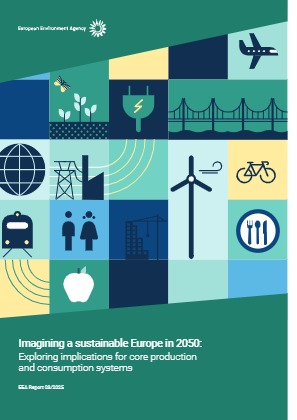
    Imagining a sustainable Europe in 2050February 2025

    Exploring implications for core production and consumption systems. EEA Report 03/2025

    This foresight report looks at how Europe’s food, energy and mobility systems and the built environment could evolve. The report takes four imagined futures, or ‘imaginaries’, developed by the EEA and its network – Eionet, and explores how Europe’s key systems might evolve under each possible future.

    Posted on: 03/05/2025

    Last Edited: 9 months ago

    𝗙𝗼𝗰𝘂𝘀 𝗼𝗻 𝗨𝗿𝗯𝗮𝗻 𝗔𝗴𝗿𝗶𝗰𝘂𝗹𝘁𝘂𝗿𝗲April 2025

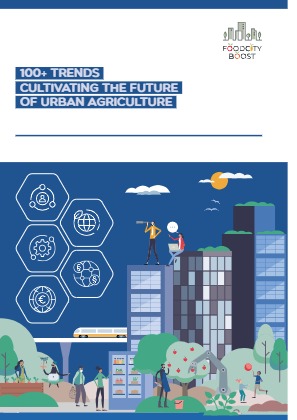
    𝗙𝗼𝗿𝗲𝘀𝗶𝗴𝗵𝘁 𝗕𝗿𝗼𝗰𝗵𝘂𝗿𝗲 𝗙𝗲𝗮𝘁𝘂𝗿𝗶𝗻𝗴 𝗢𝘃𝗲𝗿 𝟭𝟬𝟬 𝗧𝗿𝗲𝗻𝗱𝘀 𝗣𝘂𝗯𝗹𝗶𝘀𝗵𝗲𝗱

    How will the city of tomorrow grow? How is food production changing in the future? In their new brochure “100+ Trends Cultivating Urban Agriculture”, Dr. Anna Kirstgen and Dr. Björn Moller from Fraunhofer ISI Foresight Department provide answers within the framework of the FOODCITYBOOST project – and show just how diverse and dynamic urban agriculture is becoming.

    📌 Included in the brochure:
    • A trend radar featuring over 100 key developments, offering a structured overview and strategic orientation on emerging trends and future perspectives
    • 15 deep dives exploring key topics such as social innovations, new technologies, regulations, new business models, and ecological challenges like food waste

    A compact overview for anyone involved in urban development, agricultural innovation, or sustainable food systems.

    Posted on: 03/05/2025

    Last Edited: 9 months ago

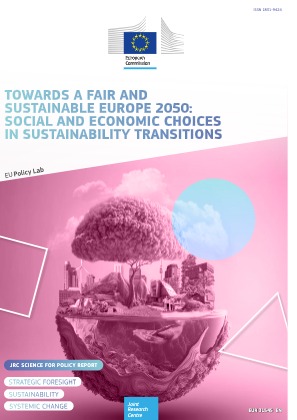
    Towards a Fair and Sustainable Europe 2050June 2023

    Social and Economic Choices in Sustainability Transitions

    This foresight study explores possible and necessary changes in the European social and economic systems as the European Union engages in managing sustainability transitions towards 2050. With this focus, the study presents strategic areas of intervention covering a new social contract, governance for sustainability, people and economy, and the global perspective on sustainability. The study reflects on the agency of EU actors (such as government at various levels, business, and communities) to address the strategic areas of intervention as part of collectively addressing sustainability transitions. The study builds on a participatory foresight exercise, which generated four foresight scenarios for a climate-neutral EU in 2050. Based on each scenario, a corresponding transition pathway was co-created and analysed through the process. The study presents and analyses these outputs of the process. The outputs can also serve as input to policymakers and practitioners interested in conducting new participatory exercises on sustainability transitions.

    Source: European Commission - JRC - JRC Publications Repository 

    Posted on: 30/04/2025

    Post Image

    Last Edited: 9 months ago

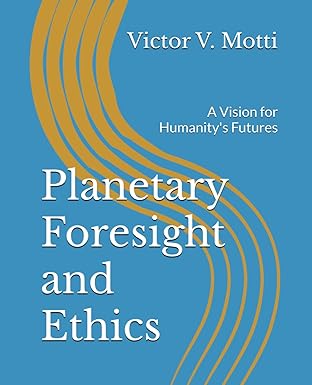
    Planetary Foresight and Ethics

    New Book

    Summary

    Core Themes
    The book reimagines humanity’s future through planetary foresight, blending historical wisdom with planetary stewardship. It critiques linear Western progress narratives and advocates for a hybrid, cyclical vision of history, emphasizing pluralistic identities and reverence for life.

    Structural Framework
    Organized into thematic sections, the work begins with “The Mysterious Lord of Time,” challenging linear temporality and introducing non-linear, culturally diverse historical perspectives. “Evolving Belief Systems” contrasts Indo-Iranic, Mesopotamian, and Hellenic thought with Abrahamic traditions, highlighting ancient influences on modern pluralism.

    Imagination and Futures
    The “Histories of Imagination” section explores myth and storytelling as drivers of civilization, while “Scenarios of Future Worlds” applies foresight methodologies to geopolitical and technological evolution, emphasizing ecological consciousness. The final chapters expand to cosmic intelligence and ethics, framing humanity’s role within universal interconnectedness.

    Ethical Vision
    Central to the thesis is a call for planetary identity and stewardship, merging forgotten wisdom traditions with modern foresight to navigate ecological and technological uncertainties. The book positions itself as both a philosophical guide and practical framework for ethical transformation in an era of global crises.

    Key Argument
    Motti asserts that humanity is transitioning from a “Second Nomad Age” (characterized by fragmentation) toward a “Second Settlement Age” marked by planetary consciousness, requiring creative complexity and ethical vigilance.

    Posted on: 23/04/2025

    Last Edited: 10 months ago

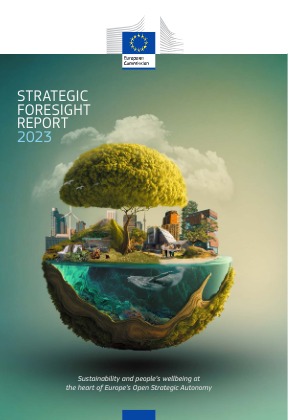
    Strategic Foresight ReportJune 2023

    Sustainability and People’s Wellbeing at the Heart of Europe’s Open Strategic Autonomy

    The EU is engaged in a profound and ambitious transition to achieve climate neutrality and sustainability in the next few decades. This sustainability transition will be key to strengthen the EU's Open Strategic Autonomy, ensure its long-term competitiveness, uphold its social market economy model and consolidate its global leadership in the new net-zero economy. To succeed, the EU will need to address several challenges and make choices that will affect our societies and economies at an unprecedented pace and scale.

    The 2023 report provides an overview of the challenges we face and proposes ten areas for action to achieve a successful transition. To equip policymakers with economic indicators which also consider wellbeing, it proposes to adjust Gross Domestic Product (GDP) to take account of different factors such as health and the environment.

    This approach will bolster the EU's Open Strategic Autonomy and global standing in its pursuit of a resilient net-zero economy. 

    Overcoming key social and economic challenges

    As it goes through the sustainability transition – which encompasses both economic and social sustainability ­– the EU is facing several challenges. For example:

    • Evolving geopolitical shifts are shaping public opinion and how governments across the globe act, challenging international cooperation on global issues, such as climate change or the energy transition.
    • The need for a new economic model, focused on the wellbeing of people and nature, decoupling economic growth from resource use and shifting to more sustainable production and consumption. Up to 75% of Eurozone businesses are highly dependent on natural resources. Economic, social and environmental sustainability are inextricably linked.
    • Growing demand for adequate skills for a sustainable future. The availability of workers equipped with appropriate technical and soft skills will be crucial for the EU's competitiveness: 85% of EU firms today lack staff with the competences needed to navigate the green and digital transitions.
    • The sustainability transition requires unprecedented investments. Achieving it will depend on securing sufficient funding both from the public and private sectors.

    Ten areas for action
    Today's report identifies ten areas where our policy response is needed to ensure that the sustainability transition remains focused on the wellbeing of people and society:

    1. Ensure a new European social contract with renewed welfare policies and a focus on high-quality social services.
    2. Deepen the Single Market to champion a resilient net-zero economy, with a focus on Open Strategic Autonomy and economic security.
    3. Boost the EU's offer on the global stage to strengthen cooperation with key partners.
    4. Support shifts in production and consumption towards sustainability, targeting regulation and fostering balanced lifestyles.
    5. Move towards a ‘Europe of investments' through public action to catalyse financial flows for the transitions.
    6. Make public budgets fit for sustainability through an efficient tax framework and public spending.
    7. Further shift policy and economic indicators towards sustainable and inclusive wellbeing, including by adjusting GDP for different factors.
    8. Ensure that all Europeans can contribute to the transition by increasing labour market participation and focusing on future skills.
    9. Strengthen democracy with generational fairness at the heart of policymaking to reinforce the support for the transitions.
    10. Complement civil protection with ‘civil prevention' by reinforcing the EU's toolbox on preparedness and response.

    Source: European Commission - Press Corner - 2023 Strategic Foresight Report

    Posted on: 15/04/2025

    Last Edited: 10 months ago

    The Future of Sustainable FashionJanuary 2025

    Results of the EoE pilot on the Future of Fashion

    The Future of Sustainable Fashion event took place on Monday, January 20, 2025, at the MOMus - Museum of Modern Art in Thessaloniki, Greece. The workshop was implemented surrounded by the relative with the subject exhibition Collective Threads: Anna Andreeva at the Red Rose Silk Factory. This initiative was implemented by Helenos Consulting, a partner of the Eye of Europe Project, and aimed to engage local citizens.


    Posted on: 04/04/2025

    Last Edited: 10 months ago

    Geopolitical & industrial decarbonisation scenarios to identify R&I opportunities for the EU09 April - 10 April 2025

    How can the EU navigate amidst global uncertainties to foster a more resilient and effective path toward industrial decarbonisation?

    As part of ‘the Eye of Europe’ Horizon Europe Project, Insight Foresight Institute organised an in-person stakeholder workshop on ‘Geopolitical & industrial decarbonisation scenarios to identify R&I opportunities for the EU’ on 10-11 April 2025 in Madrid, Spain. This workshop gathered experts specialised in different areas related to circular economy, decarbonisation, sustainability, innovation, geopolitics etc. 

    The workshop consisted of debating around a primary issue on the EU’s agenda: how to navigate geopolitical issues to keep decarbonising the continent towards sustainable and competitive sectors. 

    For that matter, strategic alliances, resistant supply chains, and proactive management in global trade and diplomacy were needed. Several issues were identified, clustered in four themes:
    - Geopolitical and Regional Alliances (relation with the EU)
    - Industrial Competitiveness
    - Energy Security and Supply
    - Supply Chains (Raw Materials)
    - Supply Chains (Manufacturing)

    Participants were invited to attend this two day workshops starting with introductory presentations. Once participants were put into context, the common scenario work began. An interactive session was held in the plenary and then in small groups. The second day, the key visions shared the day before were gathered and an introduction was made to roadmapping on R&I needs and emerging areas. Roadmapping on specific themes for emerging R&I were discussed in small groups. The findings were shared in the plenary.

    Date: 10 & 11/04/2025
    Location: Calle Orense, 34, Madrid, Spain
    Format: In-person
    Participants: Experts on industrial decarbonisation, geopolitics, circular economy, sustainability, R&I, technology, European Union etc.

    For more information, please contact totti.konnola@if-institute.org

    Posted on: 28/03/2025

    Post Image

    Last Edited: a year ago

    GIZ‘s latest foresight work on geopolitics and sustainable development

    Future-proofing the organization

    For years, the world has been described as being in a state of perma-crisis. As a federal enterprise working in the fields of international cooperation for sustainable development and international education, the Deutsche Gesellschaft für Internationale Zusammenarbeit (GIZ) GmbH is strongly affected by the political and economic environment in which it operates. This is why it is important for GIZ to understand the underlying drivers of change and possible future developments so that it can prepare for the future and the challenges it will face, ultimately making the organization and its staff more resilient.

    With its broad network of staff and international experts in over 120 partner countries, GIZ is well equipped to monitor and differentiate relevant signals and developments. At headquarters, a dedicated foresight team addresses future issues at a corporate level and contributes to the company's strategic decision-making.

    GIZ’ foresight report 2024

    Sustainable development is GIZ’s core business. The 2030 Agenda provides the framework for GIZ’s global activities. As the year 2030 is getting closer, the question is: will the negotiations on a new agenda be successful? But one thing is clear: any negotiation process and subsequent implementation will be increasingly shaped by geopolitical factors. This is why, the 2024 foresight report of GIZ, focuses on geopolitics, sustainable development and the global agenda for the next decade.

    In total, the views of more than 100 GIZ colleagues from GIZ's HQ and the field structure were incorporated into the report through various workshops. In addition, the report is based on extensive analysis of secondary sources, and interviews with more than 30 experts from various (international) institutions to ensure that the report also reflects perspectives from outside GIZ.

    The scenarios (strongly condensed for this post) are based on the four archetypes of the Manoa School of Futures Studies and Jim Dator, which represent four recurring paths of human civilization found in all cultures. Each scenario is supplemented by two to three short wildcards, some of which are listed here as examples.

    Posted on: 18/03/2025

    Last Edited: a year ago

    Futures Literacy for Green Growth27 February - 27 February 2025

    EU SF4S Project 3rd Public Conference

    Join industry leaders, sustainability experts, and educational innovators in a dynamic online conference organized by the EU Project SF4S to address the critical skills and capabilities needed to drive Europe’s green growth agenda. Gain actionable insights on overcoming sustainability challenges and explore cutting-edge training modules designed for a green growth future.

    AGENDA (CET)

    12:00-12:05 Welcome & Overview of SF4S project
    Moderator: Amos Taylor

    12:05-12:20 Challenges: What do industries need to lead green growth?
    Speakers: Toni Ahlqvist (U of Turku) & Johanna Vallistu (Taltech )

    12:20-12:45 Practices & Methods: What are the lessons learned from industry foresight projects?
    Speakers: Henning Breuer (Media University Berlin) & Pierre Plouzennec (Michelin)

    12:45-13:10 Training for the Future: How can curricula be adapted for vocational and higher education?
    Speakers: Rene Rohrbeck (EDHEC) & Theresa Hanning (author of Pantopia and socially critical science fiction)

    13:10-13:15 Closing

    Posted on: 10/02/2025

    Last Edited: a year ago

    Second Eye of Europe Pilot in Fashion Futuring14 April - 14 April 2025

    Eye of Europe Pilot Workshop to be held in April, in Thessaloniki, Greece

    As a partner of the Eye of Europe Project, Helenos will implement its second pilot on Fashion Futuring, investigating potential links among objects, fiction, culture, and systems to understand how the values of the systems/societies can shape the future of fashion.

    The worskhop was relized on 14th of April, 2025 at MOMus- Museum of Modern Art, Thessaloniki, Greece


    Context
    Have you ever wondered why people in Ancient Egypt (3100-30 BCE) wore hair wigs? Or why samurai have been associated with kimonos, while feminine full skirts are linked with the post-war America of the ‘50s? There are numerous examples of fashion items that represent specific periods and places. 

    But what does that signify?
    In ancient Egypt, men wearing hair wigs was considered an honor and a symbol of equalization to women, as women were regarded as wise and sacred. Similarly, in Tokugawa Japan (1603 – 1868), when samurai lived, clothing indicated one’s rank and role within the highly structured feudal society, while in post-war America, fashion was influenced by the idealized image of the suburban family, emphasizing domesticity and traditional gender roles.
    The common space of all three examples is that - throughout the centuries - fashion has served people and societies as a way of self-expression, a sign of social status, also revealing the prevailing social norms and beliefs.

    Today, our highly complex and uncertain world requires strategic tools that will help us create new sustainable development trajectories. Fashion not only reveals unique and collective identities, norms, and ethics but is also associated with environmental issues. It is one of the largest pollutant industries, prompting a shift in the way we produce and consume fashion items. How might the climate crisis change our attitudes, and how does this impact the fashion industry?


    What is Fashion Futuring?
    Fashion Futuring is an innovative approach that investigates potential links among objects, fiction, culture, and systems to understand how the values of the systems/societies can shape the future of fashion. It suggests a significant shift in the future of fashion approach, moving away from short-term trends and financial forecasting as primary factors for fashion production, towards sustainable, more humane means of fashion producing and consuming.


    The pilot
    The upcoming pilot in April is targeted towards domain experts in fashion & foresight. The workshop consists of a 7-stage methodology based on Garcia (2023), where participants will be encouraged to share their personal experiences and values, co-create a fictional future, and work together to design a fictional fashion item based on this future. The workshop will utilize various foresight methods, primarily core design, what-if scenario development, and strategic thinking.

    That will be the second pilot in Fashion Futuring implemented by Helenos. The first pilot was held in January 2025 in Thessaloniki, involving local citizens. This upcoming workshop aims to contribute to a collective knowledge pool, helping to create a comprehensive understanding of the future of fashion and sustainability.


    This workshop will be implemented in English.

    For more information, please contact the following emails: 

    stavros.mantzanakis@helenosconsulting.eu (Stavros Mantzanakis)

    eliza.savvopoulou@helenosconsulting.eu (Eliza Savvopoulou)

    Posted on: 07/02/2025

    Last Edited: a year ago

    Strategic Foresight for Sustainability (SF4S) - Synthesis ReportOctober 2023

    This is a synthesis report based on 130+ interviews conducted as part of the Strategic Foresight for Sustainability (SF4S). The synthesis report concludes the project’s Work Package 2, led by Finland Futures Research Centre, which had as a central objective to identify “key skills and good practices on the basis of interviews with the key community actors”.

    Nine SF4S consortium partners – DKSD, EDC, EDHEC, FFRC, GEA, HMKW, ISPIM, IZT, and TalTech - carr ied out 91 interviews in situ or via digital communication channels from September 2022 to March 2023. In addition, 47 interviewees or discussants participated via focus group discussions (November 2022) and a public webinar (January 2023). 

    The interviews map out sustainability, digitalisation, and foresight skills and practices in organisations around Europe with an emphasis on the project’s three target clusters: Agri-food, Health, and Mobility. In addition to industry representatives, experts in foresight, policy, consulting, and education have contributed their views to the project. 

    For more information on the report, see the project website.   

    Posted on: 07/01/2025

    Post Image

    Last Edited: a year ago

    How Scenarios Could Support the Orientation of R&I Agendas

    Making use of the four “Imaginaries for a Sustainable Europe* in 2050” presented by the European Environment Agency and the Eionet**

    Posted on: 25/11/2024

    Post Image

    Last Edited: a year ago

    Alternative Climate Scenarios 2040

    Coalition of Sustainable Communities

    This autumn, experts are developing alternative climate scenarios as part of a foresight project that helps prepare the 2nd Strategic Plan 2024-2027 of the Horizon Europe Framework Programme for R&I. The project is conducted by the “Foresight on Demand” Consortium on behalf of the European Commission, DG RTD. In a Deep Dive area “Climate change and R&I: from social change to geoengineering”, together with the other members of the expert team, I am developing, among others, this 'coalition of sustainable communities' scenario. Get involved, comment on the scenario and relate the scenario to recent developments!

    Posted on: 25/11/2024

    Last Edited: a year ago

    Scanning Deep Tech HorizonsAugust 2023

    Participatory Collection and Assessment of Signals and Trends

    The Joint Research Centre (JRC) and the European Innovation Council (EIC) conducted a series of Horizon Scanning exercises across six EIC programme managers’ (PM) portfolios as part of an ongoing collaborative effort to strengthen EIC strategic intelligence capacity through the use and development of anticipatory approaches. The fields covered include: Space Systems & Technologies; Quantum Technologies; Agriculture & Food; Solar Fuels & Chemicals; Responsible Electronics and Architecture, Engineering & Construction.


    The main findings of this Horizon Scanning – the identification and analysis of ‘signals’ from nascent research, technologies, or trends on the periphery of the mainstream – show opportunities for investment in emerging technologies and breakthrough innovations that can advance EU competitiveness while also serving to support the EU’s long-term policy and societal visions.
    Other insights were taken from this exercise, namely the identification of drivers, enablers and barriers to technology development and adoption, that could be the starting ground of further foresight exercises and policy initiatives.


    The report highlights three main themes – sustainability, energy, and scalability, which are overarching across signals, drivers, enablers and barriers. And concludes with a series of recommendations to streamline Horizon Scanning activities in the specific context and needs of the EIC.

    Posted on: 28/10/2024