Last Edited: 2 months ago
Europe's paradox War
Using AI to envision strategic future choices on war and peace

Zero Victory Paradox
Posted on: 25/08/2026
sorted by publishing date
Last Edited: 2 months ago
Zero Victory Paradox
Posted on: 25/08/2026
Last Edited: 4 months ago
Grounded in strategic foresight and systems thinking, the course equips participants with future-oriented tools such as:
01 Horizon Scanning
02 Future Wheels
03 Scenario Planning
Starting from a real strategic challenge, participants explore multiple possible futures, uncover emerging trends and systemic shifts, and translate insights into strategic perspectives for decision-making.
Learning objectives
01
Navigate uncertainty using foresight tools
Apply strategic foresight and futures thinking to explore multiple possible futures, move beyond linear forecasting and work confidently with uncertainty in real business and organizational contexts.
02
Anticipate risks and opportunities early
Identify emerging trends, weak signals and key drivers of change through horizon scanning and impact analysis, enabling earlier and better-informed strategic responses.
03
Think systemically about future challenges
Use systems thinking to understand the interconnectedness of global, organizational, and societal systems, and to assess how changes in one area influence others.
04
Make better long-term strategic decisions
Build and use future scenarios to test strategic options, support decision-making, and design resilient, flexible, and sustainable strategies aligned with long-term goals.
Course takeaways
By the end of this course, participants will be able to:
Develop and implement strategic foresight processes within their organizations.
Apply systems thinking to analyze complex challenges and design sustainable solutions.
Build and use future scenarios to guide informed decision-making.
Foster a culture of innovation and resilience, adaptable to emerging trends and disruptions.
Posted on: 08/06/2026
Last Edited: 4 months ago
We are living through a transition that feels, at once, like collapse and awakening. The crises surrounding us—ecological breakdown, technological acceleration, geopolitical fragmentation—are often treated as separate problems. But they are not. They are symptoms of a deeper rupture: a failure in how we perceive reality itself.
This is the beginning of the “Big Shift.” Not merely a historical turning point, but a transformation in consciousness. The dominant frameworks through which humanity has understood itself—nation, progress, even “humanity” as a unified moral subject—are no longer sufficient. They fragment under pressure because they were never grounded in the deeper fabric of existence. They abstracted us from the Earth, from each other, and ultimately from being itself.
Long before modern crises, ancient traditions understood something we have forgotten: the Earth is not an object. It is a living, sacred reality. Early liturgical texts and cosmologies did not separate matter from meaning. To speak of the Earth was already to speak of order, of balance, of participation in a larger whole. This was not “ecology” in the modern scientific sense—it was a lived metaphysics.
What has been lost is not knowledge in the narrow sense, but a way of knowing. The modern world, in its pursuit of control and clarity, reduced reality to what can be measured, extracted, and optimized. Technology is not the root problem; it is an extension of this perception. We did not simply build machines—we built a worldview that sees the world as machine.
And so we arrive at a strange paradox: we speak constantly of “saving humanity,” yet we do not even know what “humanity” means. It is an abstraction, a moral placeholder, often detached from real conditions and embedded inequalities. In trying to center humanity, we displaced the Earth. And in doing so, we undermined the very conditions that make human life possible.
A different orientation is needed. Not a rejection of humanity, but a re-centering within a larger field of existence. To love the Earth is not a poetic gesture—it is an ethical necessity. It means recognizing that harm to ecosystems is not external damage but a form of self-destruction. It means reframing ethics from human-centered to Earth-centered, from domination to participation.
This is where the future becomes most uncertain—and most significant. Artificial intelligence and emerging technologies are often framed in terms of capability and risk. But the deeper question is ontological: what kind of intelligence are we creating? If intelligence is participation, then ethical design requires more than safeguards—it requires alignment with the structures of reality itself.
We stand, then, at a threshold. The path forward is not a return to the past, nor a blind leap into technological futurism. It is a synthesis—a planetary civilization that draws from ancient wisdom while engaging modern knowledge. A civilization that recognizes the plurality of perspectives without losing sight of underlying unity.
This requires new forms of leadership, new frameworks of foresight, and a redefinition of progress. Not growth for its own sake, but alignment with the conditions that sustain life and meaning.
Ultimately, the future is not something we predict. It is something we participate in. Every action, every perception, contributes to the unfolding of reality. The question is not whether change is coming—it is whether we are capable of aligning with it.
To become planetary beings is not to transcend the Earth, but to belong to it fully. To act with awareness that we are not separate observers, but active participants in a living, dynamic cosmos.
The shift has already begun. The only question is whether we recognize it—and whether we are willing to follow it to its conclusion.
Posted on: 28/05/2026
Last Edited: 5 months ago
Posted on: 04/05/2026
Last Edited: 5 months ago
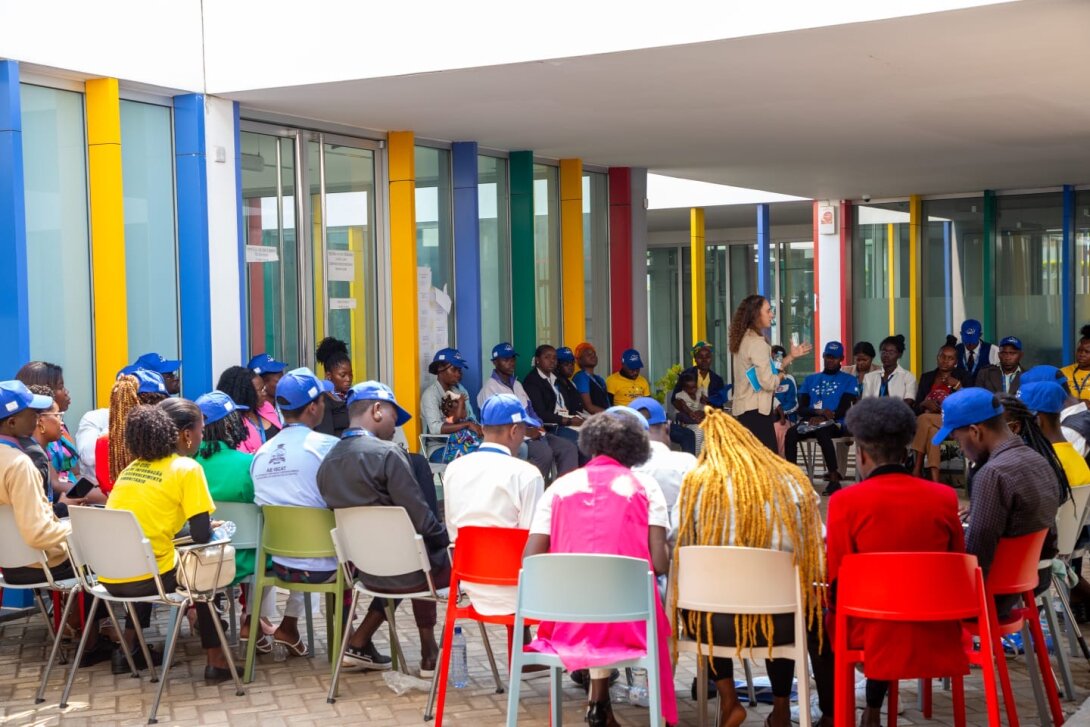
Mozambique is one of the youngest countries in the world, with more than 50% of the population under the age of 18. This youth bulge presents a unique demographic and economic opportunity but also places a significant strain on public services, particularly education. Facing challenges such as high unemployment, climate vulnerability, insecurity, and limited access to digital infrastructure, youth-led solutions are critical for building a “future-ready” country.
The European Union Delegation (EUD) established a Youth Sounding Board (YSB) in 2023 to get input on EU policies by young Mozambicans, as a part of the EU’s Youth Action Plan, and since then they have been consulting them regularly, including for the latest Annual Action Plan 2026.
In the context of the EU Global Gateway initiative and t he preparation for the EU's next long-term budget 2028-2034, the EU Delegation invited the YSB for a foresight exercises using the Youth4Foresight Toolkit to reflect on the long-term role of the youth and on the strategic priorities for energy, digital, and education in Mozambique. The exercise objectives were to strengthen the YSB members’ capacities and enhance their agency using foresight tools to critically engage with and influence policymaking processes, while providing insights for the upcoming EU programming in Mozambique.
The Three Horizons Workshop
An online workshop for 20 YSB members, facilitated by the young people themselves, took place on 5 December 2025. The online format allowed for participation from YSB members from all over the country and both the preparation and the workshop were held in Portuguese, based on the Portuguese version of the Youth4Foresight Toolkit.
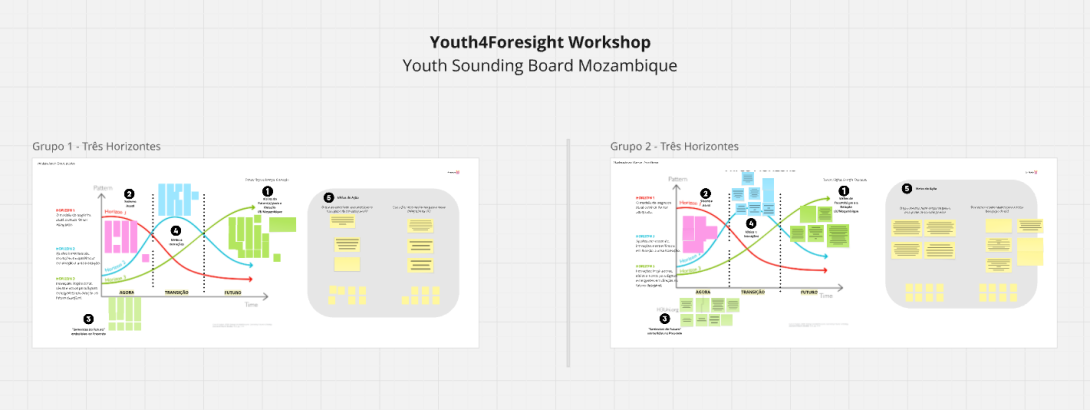
The Youth Sounding Board used the Three Horizons tool to struc ture their brainstorming in steps:
Horizon 3 (the desired future): participants imagined their inspirational future focusing on their aspired changes for the domains of energy, digital and education.
Horizon 1 (the current system): groups travelled back to the present to identify "business as usual" patterns that are no longer fit for purpose.
Seeds of the Future: participants identified existing pioneers and grassroots initiatives that are already starting to bring their future vision to life.
Horizon 2 (the transition): groups brainstormed innovations and collaborations needed to remove blockers and transition from the current system to the desired future.
Action board: finally, considering the three horizons that they have outlined, the groups defined action statements for the YSB and recommendations for the EU Delegation.
The Outcomes
Participants drafted a Declaration of Action and Commitments, outlining steps for current and future Youth Sounding Boards while providing recommendations for EU programming in energy, digital, and education sectors. Feedback was highly positive; members praised the tool's ability to foster structured creative thinking, with several planning to replicate the exercise in their local communities.
The Three Horizons tool successfully empowered youth by enhancing their futures thinking skills. The outcomes will now inform EU planning for Mozambique, allowing YSB members to actively architect their country's development.
Posted on: 26/03/2026
Last Edited: 5 months ago
Facing uncertainty around climate change, AI, and job security, youth in Vietnam took part in two foresight workshops where they explored future trends, used strategic tools, and built skills to respond to challenges and shape long-term solutions.
Why Futures Thinking Skills Matter for the Youth in Vietnam
Young people across Vietnam and Southeast Asia are navigating a future shaped by climate change, environmental degradation, and the rapid rise of automation and AI. Many are concerned about job security and feel uncertain about what lies ahead. There’s also a growing sense of mistrust toward institutions and doubts about whether a sustainable and just future is truly being safeguarded. In the face of these realities, learning how to think strategically about the future - and take action - is becoming an essential skillset for youth.
Exploring the Future Through Youth Collaboration & Foresight
With the support of the European Commission, the EU Delegation in Vietnam organised two online foresight workshops for the Vietnam Youth Advisory Board (VYAB). The sessions were held in September 2024 and each session lasted 1.5 hours, tailored to the participants’ availability across time zones.
The workshops brought together young people from VYAB and participants from neighboring countries to explore how futures thinking could help youth shape Southeast Asia’s future, especially around three EU priorities: the digital and circular economy, responsible entrepreneurship, and governance.
Using the Youth4Foresight toolkit, participants engaged in interactive sessions via Miro, an online collaboration tool that was well received. The energy was high, especially as youth connected across the region and from different professional backgrounds to share ideas and build new perspectives.
Tools to Shift Mindsets and Spark Ideas
To kick off, participants explored three warm-up exercises: imagining the world in 2050, rating uncertainties about the future, and identifying trends likely to shape the region. These activities encouraged reflection and helped shift thinking from the present to long-term possibilities. The future holds many paths, but once we begin to recognize them and take action, we can shape those possibilities into something better.
From Trends to Actions
The workshops introduced two main foresight tools: the Futures Wheel and 3 Horizons.
With the Futures Wheel, participants mapped the ripple effects of trends like digital transition, shifting global power dynamics, and resource scarcity. This helped them understand how one change could lead to another, revealing both risks and opportunities for regional action.
The 3 Horizons exercise invited participants to reflect on current realities, imagine more desirable futures, and propose ways to get there. Working in teams based on EU priorities, they turned broad visions into concrete ideas and short-term actions.
Shared Futures, Shared Responsibility: A Key Takeaway
Futures thinking proved to be a powerful tool in times of uncertainty. It allowed participants to think more strategically, adaptively, and collaboratively. As they described: "It gave structure to our ideas. We felt more in control of shaping what’s next."
One of the strongest takeaways was the value of working together. By sharing ideas across the region and professional backgrounds, participants saw how collective thinking leads to more creative, inclusive, and actionable outcomes. It’s not just about imagining what’s coming - it’s about imagining it together.
Youth left the workshops with stronger skills, renewed motivation, and a clearer sense of how they can lead change in their communities and beyond.
Check out the toolkit and start building your future-thinking muscles!
Posted on: 26/03/2026
Last Edited: 5 months ago
Lesotho faces some of the highest inequality levels in the world, leaving young people vulnerable to poverty, unemployment, and forced migration. Nearly a third of the population is under 24, yet youth voices can stay absent from decision-making. Cultural norms discourage open deliberation between young people and adults, leaving many — especially young herders, returnees from South Africa, and young women and girls — without opportunities to shape their futures.
The European Union, UNICEF, and the International Organization for Migration (IOM) launched the Youth Power Hub Programme in September 2024, with the goal of empowering young people as key players in governance and development at both local and national levels. To make the activities also future facing, the Youth4Foresight toolkit was used at the launch event.
Training foresight facilitators
The toolkit, produced by European Commission, foresight experts and young people worldwide, offers a set of foresight techniques tailored for young people. Rather than relying on external foresight experts for a one-off workshop at the launch event, the EU and partners focused on embedding foresight within the Youth Power Hub itself. Local youth leaders participated in hybrid training on foresight fundamentals, specific tools, and facilitation skills.
These facilitators then led a futures workshop for 100 participants, exploring ‘The Future of Youth Advocacy in Lesotho.’ A key tool used, part of the Youth4Foresight toolkit, was Three Horizons , a structured approach to understanding systems change and transitions.
Shifting mindsets, creating space for new ideas
For many participants, this was the first time they had been invited to systematically and critically think about the future — not as something distant and abstract, but as something they could actively shape. One facilitator described the experience as “a permission slip to imagine beyond the immediate struggles we are navigating.” Others found clarity in seeing how interconnected issues like climate resilience, youth unemployment, and political participation required systemic solutions. By framing discussions in terms of possible futures rather than fixed positions, it created space for conversations that might otherwise have been constrained by political or institutional barriers.
The workshop also empowered the young participants collectively convey their views on the Lesotho of the future to the decision makers present at the launch event, as a practical example of the dialogue that the Power Hub seeks to encourage.
What’s next for foresight in the Youth Power Hub?
Foresight is not a one-off intervention; it is a capability that grows over time. In a world where youth engagement is often reduced to consultation rather than real agency, the Youth4Foresight Toolkit offers young people a way to navigate uncertainty and define alternative futures they can build towards.
Spanning from 2024 to 2029, the Youth Power Hub in Lesotho will actively involve young people in decision-making to strengthen citizen participation and build stronger, more inclusive communities. The project supports the Youth Action Plan in European Union external action for 2022-2027 , the first ever policy framework for a strategic partnership with young people around the world.
Posted on: 26/03/2026
Last Edited: 5 months ago
As the future grows more complex and uncertain, young people in Cambodia are learning to navigate it with curiosity, creativity, and clarity. In September 2024, the European Union Delegation (EUD) to Cambodia hosted a 2.5-hour online foresight workshop with its Youth Sounding Board (YSB), using the Youth4Foresight Toolkit. The session introduced strategic foresight tools to help youth anticipate change, collaborate on ideas, and shape sustainable futures. Using Miro, participants explored trends related to climate action, public service transformation, and governance.
Why futures thinking matters
Cambodian youth are facing a web of intersecting challenges - from climate risks and water scarcity to inequities in education, healthcare, and digital access. Futures thinking offers them a way to not only react but lead proactively. The ability to think strategically about long-term possibilities, and act accordingly, is becoming a critical skill.
Methodology
Prior to the session, youth had participated in an introductory workshop to familiarize themselves with key foresight concepts. From that, five trends emerged as most relevant to Cambodia: shifting geopolitical power, green and digital transitions, resource scarcity, new governance systems, and "Basic Services 3.0" (health, education, justice).
During the main session, participants selected resource scarcity and basic services as the two core trends to explore through the Futures Wheel. They mapped i mmediate and secondary impacts—such as income inequality, food insecurity, and weak infrastructure—then identified strategies like improved public-private partnerships, climate legislation, and innovation in resource use to build long-term resilience.
Next, youth moved into a Three Horizons exercise, which helped them ref lect on current realities, envision desirable futures, and chart a pathway of innovation and action between the two.
Horizon 1 highlighted structural challenges: limited access to clean water, energy, and internet; weak healthcare; unskilled labor; and poor transport. These reinforced the sense that "business as usual" is no longer sustainable.
Horizon 2 focused on transitional innovations already emerging. Youth emphasized the importance of public-private collaboration, digital literacy, green skills, and inclusive transport. Highly supported ideas included promoting green tourism, separate city bus lanes, and youth networks.
Horizon 3 captured bold visions for a more inclusive Cambodia—with universal access to clean water and air, waste-free cities, thriving green public spaces, and stronger digital governance.
Participants also identified “Seeds of the Future”—existing initiatives like food banks, grassroots movements, and water treatment projects—that reflect Horizon 3 values but need scaling up.
Results & Discussion
Participants reported a mindset shift:
🗣️ “Before this, I didn’t give much thought to the future. Now, I find it essential for both my career and our community.”
🗣️ “Foresight helps me understand, predict, and align my work with long-term goals.”
🗣️ “The Three Horizons model was simple but powerful.”
While the session was well received, some challenges were noted:
- The online format limited peer-to-peer engagement.
- Some participants were hesitant to speak up; deeper facilitation could help.
- The single-session format was dense, splitting it into two shorter sessions may enhance reflection.
- Still, the session sparked high engagement and showed foresight’s value in building youth leadership and agency.
Looking Ahead
This Cambodia workshop is part of the broader Youth4Foresight initiative supported by INTPA. It signals growing momentum for inclusive, future-focused engagement in EU partner countries. Cambodian youth aren’t just imagining the future - they’re preparing to lead it.
Posted on: 26/03/2026
Last Edited: 5 months ago
The future of Angola and its youth are inextricably linked, as the country looks to capitalise on its demographic dividend, with over two-thirds of its population under the age of 25. The National Development Plan (2023-2027) prioritizes youth and human capital development to overcome barriers to long-term growth. The Youth4Foresight Toolkit, developed by Directorate General for International Partnerships of the European Commission, youth experts and EU Delegations worldwide proved to be instrumental in engaging young Angolans.
Engaging Young Voices for Change
The Youth Forum in Malanje (in July 2024) centred on "Youth participation in local governance and its impact on human capital development" and brought together 52 youth participants (including 24 women and some young mothers) from five municipalities in Malanje province. The event focused on helping youth better understand national policies and explore ways how they can contribute meaningfully to local governance.
The Youth Forum was one of the events organised under the EU funded “Support to Civil Society in Local Governance in Angola (PASCAL)” action, which aims to contribute to economic growth and social development through an inclusive, heterogeneous and effective participation of civil society in the governance process.
A key element of the forum was the application of structured long-term thinking by using the techniques and guidance from the Youth4Foresight Toolkit. Through Three Horizons methodology, young participants explored different future scenarios and created actionable recommendations.
This same tool was also applied during the Youth Forum in Huambo, another Angolan province, where it proved equally successful in engaging youth and fostering forward-looking dialogue.
Foresight in Action: Three Horizons Methodology
The Three Horizons technique enabled participants to envision a preferred future for their region and Angola. Divided into groups, they assessed the present, identified trends and challenges, and developed transition ideas.
Discussions highlighted youth concerns: education, healthcare, and local economic development, alongside challenges like poor infrastructure, inadequate education quality and limited access to essential services.
Participants formulated key recommendations for policymakers, such as creating youth-centred programs, youth centres and vocational training facilities, and stressed the importance of policies that improve access to education, healthcare, and economic opportunities, particularly in rural areas.
Yong people found the forum groundbreaking and meaningful, with one stating, "We have never participated in such an experience," emphasizing the importance of youth voice. Young mothers expressed hope for their children's futures and appreciated meeting others outside their villages, reflecting the workshop's deep impact in fostering hope and agency and ownership over their future.
The Impact of Youth4Foresight
The structured, adaptable methodologies of the toolkit encouraged inclusive discussions, giving youth a voice in shaping the strategies outlined in Angola’s National Development Plan 2023-2027. As a result, the recommendations produced in the workshop were directly relevant to local realities and can guide policymakers in enhancing youth participation and development.
Using foresight techniques empowered young people to reflect on their aspirations, critically analyse their present situation, and propose realistic solutions. The Youth4Foresight Toolkit has been successfully used in several countries by EU Delegations to engage with youth as a part of the Youth Action Plan in EU external action.
Posted on: 26/03/2026
Last Edited: 8 months ago
Preamble
Across Europe, the use of foresight for Research and Innovation (R&I) policy is growing, but unevenly. In many places, it still sits at the margins of policymaking, and its full potential—to inspire broader societal change—is not yet realised.
The European R&I foresight community, made up of practitioners, policymakers, researchers, and future-oriented thinkers, is
becoming stronger and more connected. The Eye of Europe project, supported by the European Commission, helps this
community grow through the online hub futures4europe.eu, as well as workshops, conferences and shared learning spaces.
This manifesto stems from a “foresight on foresight” workshop held in Mamaia, Romania (18–19 September 2025), coordinated by UEFISCDI and the Austrian Institute of Technology. 30 foresight practitioners and R&I policy experts from across Europe gathered to imagine how foresight could better support R&I policy and practice. Furthermore, these contents have also been discussed and enriched during Eye of Europe’s final mutual learning event held in Chișinău, Moldova (23–24 October 2025).
This manifesto recognises the growing importance of foresight—not only within European R&I systems but also at the interface between R&I and society—repositioning the field as a driver of inspiration and renewal in shaping Europe’s futures.
Foresight as a Key Social Infrastructure for Europe
Vision 2030 in a nutshell
Research and Innovation (R&I) foresight is a shared space of imagination and inquiry, enabling Europe to live creatively with emergence and diversity. Beyond agenda-setting, it cultivates futures literacy across science, policy, and society — expanding our capacity to sense, interpret, and engage with novelty.
Embracing the open and interdependent nature of the world, foresight complements evidence with creativity and plural ways of knowing. It guides Europe’s research and innovation ecosystems to act with openness, responsibility, and imagination — co-creating sustainable and just futures as a shared public good.
🔵 EXTENDED ROLE OF R&I FORESIGHT
In 2030 R&I foresight enables boundary spanning, connecting sectoral policies, disciplines, and perspectives. Its value lies not only in generating agendas or scenarios, but in reshaping worldviews, reframing challenges, cultivating agency, enabling collective reflection, and inspiring transformative action
🔵 OPEN AND INCLUSIVE SPACES
In 2030 foresight thrives on openness, diversity, and empathy. It creates spaces where people engage not only as experts or institutional actors, but as whole humans— bringing values, worldviews, emotions, and lived experiences into the co-creation of futures.
Trust grows from transparency, fairness, and shared ownership of both processes and outcomes. While AI expands access to knowledge, human judgment, engagement creativity, and responsibility remain essential.
🔵 FUTURES LITERACY AS A FOUNDATIONAL CAPACITY
Futures literacy becomes both a foundation and a legacy of R&I foresight. It strengthens the collective ability to recognise assumptions, navigate uncertainty, and act with intention amid complexity.
Foresight processes evolve into open spaces for learning and experimentation, cultivating anticipatory competence among experts, policymakers, and citizens. Through its practices and communication, R&I foresight contributes to a societal diffusion of futures thinking, enhancing collective intelligence and agency.
🔵 A MATURE COMMUNITY OF PRACTICE
Foresight gains professional depth through dedicated academic programmes and practitioner networks. A wide variety of organisations embed foresight cultures that encourage reflection, experimentation, and communication. Shared infrastructures such as futures4europe.eu evolve into open, dynamic platforms for collaboration, knowledge exchange, and innovation in foresight.
Download the document at the top of the page to read the full version.
Posted on: 21/01/2026
Last Edited: 10 months ago
After months of development, ForgeFront has recently launched Future.Ctrl, an online course covering futures thinking, forecasting and policy delivery.
In a world in flux, short-term firefighting often takes priority in organisations, in businesses and even in our own lives. In this context, thinking about the future can often feel nebulous and intangible. Measuring progress towards distant horizons can feel less relevant to the here and now. Data to inform long-term decision making can be scarce. Avoiding the perils of institutional ‘group think’ becomes a secondary priority, especially when time is tight.
Posted on: 28/11/2025
Last Edited: 8 months ago
Curious about how Europe’s demographic trends may transform the R&I landscape?
On 10 December 2025, DG Research & Innovation hosted a hybrid event at the DG RTD Library in Brussels to present the Foresight-on-Demand (FOD) study: “The Demographic Turn: Actions Needed for Research, Innovation and Policy in Europe?”
FOD team members guided the audience through:
👏 A big thank you to the panelists and speakers:
And to all participants for an engaging exchange on how to build a more adaptive and resilient EU R&I system.
In case you missed the event, you can find all the materials below.
Posted on: 27/11/2025
Last Edited: a year ago
Sustainability in the Post-Global Era
In the aftermath of decades of global integration, the model of hyperconnected markets is showing signs of retreat. Geopolitical instability, trade disputes, and resource scarcity are catalysing a structural shift that could reshape not only economies, but the very principles underpinning sustainability. Drawing from trend intelligence by Nextatlas, two pivotal developments emerge, developments that invite foresight professionals to rethink sustainability not as a static ideal, but as a dynamic field responsive to systemic transformation.
The post-global era is not simply a reconfiguration of trade routes or supply chains; it marks a fundamental reframing of what society deems “sustainable.” In a world where inflation, scarcity, and volatility dominate headlines, environmental goals are becoming increasingly intertwined with economic and geopolitical concerns.
Nowhere is this reframing more evident than in the European Union, which has positioned itself as a global leader in linking sustainability with regulatory and economic frameworks. Through initiatives such as the European Green Deal, the Carbon Border Adjustment Mechanism, and stricter ESG reporting standards, the EU is setting benchmarks that extend far beyond its borders and reshape how sustainability is understood in practice.
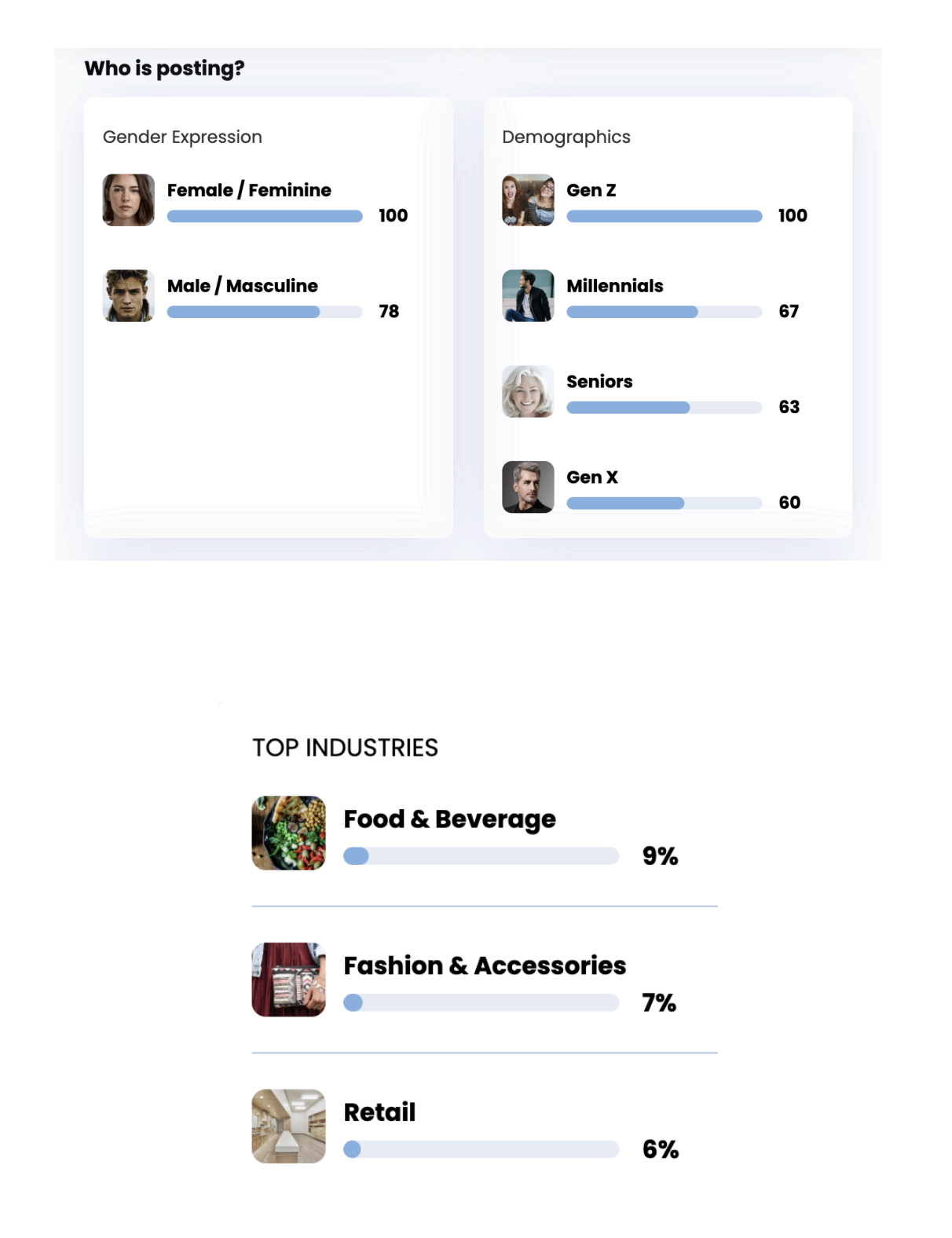
Nextatlas’ foresight model suggests a pivot: environmental degradation is no longer perceived as the singular sustainability threat. Instead, resource access, economic resilience, and supply chain transparency are becoming the new fault lines. This conclusion is grounded in more than a decade of Nextatlas’ machine learning work in cultural trend forecasting, built on a proprietary pipeline that ingests millions of data points each month from over 300,000 carefully selected sources, including social media users, niche influencers, scientific literature, design portfolios, and startup ecosystems.
Through natural language processing, semantic clustering, and visual analysis, these unstructured signals are structured into a dynamic semantic knowledge graph of thousands of interconnected micro-trends. By identifying early adopters with a demonstrated history of trend foresight, the model captures weak signals and emergent cultural dynamics before they reach the mainstream. With a 93% accuracy rate in trend prediction, this methodology provides a robust foundation for understanding the evolution from ecological awareness as individual virtue to sustainability as collective infrastructure.
The Wasteless Economy
The intentional rejection of overconsumption
What was once framed as consumer minimalism is evolving into a more resilient, system-conscious behaviour: the Wasteless Economy. As global citizens face the tangible consequences of rising costs and diminished availability, consumption habits are adjusting accordingly. But unlike past recessions where thrift was reactive, today’s restraint is increasingly proactive and value-driven. In this new context, value is redefined by longevity, utility, and purpose. Careful selection, durability, and circular practices now consciously outweigh constant acquisition.
This transformation has implications beyond market dynamics. It reflects a recalibration of what constitutes value and well-being in an era of systemic constraint. The Wasteless Economy aligns closely with long-term sustainability goals, emphasising durability, circularity, and resource efficiency, not just as ethical choices, but as strategies for social and economic stability. Amid persistent inflation and renewed tariffs on consumer goods, households are tightening their belts and are naturally drawn to buying less, buying smarter, and investing in lasting value.
Feeling the squeeze of both rising operational costs and evolving regulations, businesses are pivoting toward circular models, designing for durability, repairability, and reuse, not for sustainability branding, but as a smart financial strategy. Circular design reduces exposure to volatile supply chains and tariff-prone imports, while reinforcing consumer loyalty through accountability.
This shift is most visible in food & beverage, fashion, and retail, industries where overproduction and disposability once defined the norm. Food companies must now design out surplus, embracing precision, seasonality, and resourcefulness as new standards of value. In fashion, longevity and modularity are replacing trend cycles, with resale and repair moving from fringe to fundamental. Retailers, in turn, are being called to transform from providers of endless choice into curators of care, offering fewer but better options that align with the values of restraint and longevity.
For foresight practitioners, the shift underscores a key signal: in strained environments, sustainability flourishes not through moral appeal but through necessity. Efforts to design policy or governance around future-proofed systems must therefore centre not only on carbon metrics, but also on material longevity, repair ecosystems, and new models of sufficiency.
Posted on: 23/09/2025
Last Edited: 9 months ago
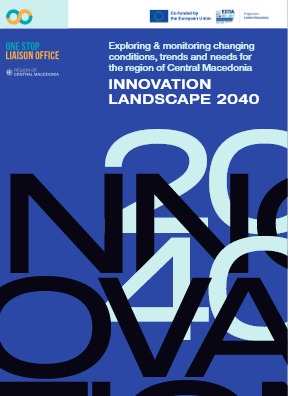
As innovation has a profound impact on many aspects of political, economic, social, and
geostrategic environment worldwide, the Region of Central Macedonia closely follows the
developments, trends and variables that favor and support it or negatively affect its development.
Stakeholders, private and public sector executives and citizens, explored through a
participatory and dynamic process (Thematic Participatory Workshop) the variables that will
affect the innovation and entrepreneurship environment of the region by 2040, identified their
dynamics and evaluated their interaction. The findings were the input of the working group
for the development of five scenarios that will determine the future of innovation in Central
Macedonia over the next fifteen years. Building upon scenario-driven insights, seven strategic
policy recommendations have been formulated to systematically strengthen regional resilience
mechanisms and prepare communities for diverse conditions across different alternative
futures (five scenarios): Development, Collapse, Transformation and Discipline.
The seven examined Megatrends that directly or indirectly affect the region and may affect
innovation developments are Climate Change & Environmental Degradation, Resource
Depletion, the Demographic Problem, Urbanization and Growth of the Middle Class,
Technological Explosion, Hyperconnectivity and Cybersecurity, the Dawn of the Global
South and Polarization. Digital transformation, changes in the employment model, digital
nomads, the rise of populist parties and woke agendas, trust in institutions, urban farming, a
shift in urban agriculture, pressure on social welfare systems and the health sector, geopolitical
turmoil, brain drain, crowdfunding, tightening of the legislative framework for the protection of
intellectual rights and personal data, strict environmental regulations and greenwashing will
be some of the effects of these forces.
In a narrow context, scanning the future identified four Drivers of Change that have a significant
impact on the area of innovation and require the attention of policymakers: (a) Political Unrest
and Confused Democracy, (b) Employment 4.0: Transition to new work conditions, (c) The
Era of Convergence: Digital Superiority and Skills, and finally (d) Social Values as a Lever
for Legislative Change."
However, the innovative environment in the future can be identified through a wide range of
scenarios. The need to develop a set of distinct scenarios led to the study of uncertainties
that affect the environment in an unpredictable way, interact with each other drastically and
play a key role in understanding the conditions that will be created in the future of innovation
in the region, and in choosing five uncertainties that their developments over time define the
futures we chose, as most likely to shape the innovation and entrepreneurship ecosystem in
the region of Central Macedonia. The five Uncertainties highlighted by the working group are:
[1] Political and Geopolitical Uncertainty: Buckle up, turbulence expected
[2] Business Uncertainty: Anticipated Outcomes and Corporate Transformations
[3] Regulatory Frameworks for Innovation: Ethics Considerations, Strategic Directions
and Development
[4] Navigating the Era of Disconnection: Addressing Workplace Loneliness and Social
Uncertainty [5] The Impact of Climate Change on Tourism.
This study was realized for the Region of Central Macedonia, GR and was co-funded from the European Union (ΕΣΠΑ 2021-2027)
Posted on: 12/09/2025
Last Edited: a year ago
Posted on: 11/09/2025
Last Edited: 3 months ago
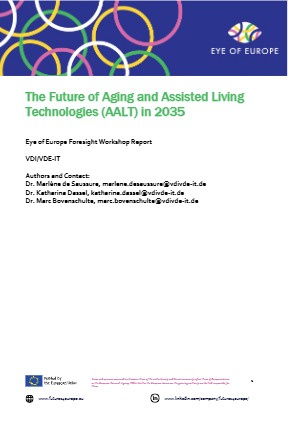
The Eye of Europe project conducted a pilot workshop focused on Aging and Assisted Living Technologies (AALT) to examine their potential impact on European society and research and innovation (R&I) policy, particularly in the context of demographic changes such as aging populations and increased chronic health issues. The workshop aimed to anticipate the societal and policy implications of integrating smart and digital technologies into assisted living and care for older adults. Using the futures wheel method, participants explored future developments across three main areas: institutional long-term care, home-based care, and the inclusion of individuals with special needs in the workplace. The workshop was structured around three future assumptions for the year 2035, envisioning that AALT will become standard practice in long-term care facilities, widely used in private households, and successfully integrated in workplaces to support employees with special needs. Through this anticipatory approach, the workshop identified overarching effects of AALT on society and highlighted the importance of these technologies in shaping future policy and innovation strategies. This workshop was part of a broader series of foresight pilots designed to engage diverse stakeholders, test foresight methodologies, and contribute lessons to the Eye of Europe community and its online foresight platform. The attached report summarizes the results of the workshop and discusses the findings in the context of Europe R&I policy.
Posted on: 04/09/2025
Last Edited: a year ago
In today’s volatile and interdependent world, uncertainty is not a temporary disruption. It is a defining feature. Strategic foresight has become a critical capability for navigating complexity, enabling decision-makers to anticipate change, surface emerging risks, and imagine alternative futures. At this inflection point, Large Language Models (LLMs) offer a profound augmentation to how we conduct foresight, but not a replacement. In this context, the Policy Foresight Unit of the European Parliamentary Research Service has recently published “Augmented foresight: The transformative power of generative AI for anticipatory governance ”.
Let’s be clear. AI cannot foresee the future. It does not reason with intent or understand human values. What it can do is dramatically increase our speed, scale, and scope in making sense of potential futures, if used judiciously and critically.
The cognitive extension of human futures thinking
Generative AI can be understood as a cognitive prosthetic, a tool that extends human perception, memory, and pattern recognition. LLMs excel at identifying latent patterns in unstructured data, surfacing weak signals, and generating coherent narratives based on probabilistic inference. These capacities are particularly useful in exploratory foresight, where practitioners seek to widen the aperture of plausible futures. That is why, at 4CF we have created 4CF Sprawlr - the next-generation AI-powered debate and ideation platform designed to transform the way we brainstorm, strategize, and make decisions, as well as to challenge the assumptions of participants.
Moreover, during horizon scanning, LLMs can process thousands of documents across domains in real-time, clustering insights, filtering noise, and flagging emergent issues. This ability to synthesize vast and diverse information ecosystems supports faster and more responsive foresight cycles. But raw data synthesis is not foresight. True anticipatory intelligence requires contextual judgment, ethical discernment, and interpretive framing, capacities that remain uniquely human.
Narrative construction and scenario intelligence
Scenario planning, a cornerstone of foresight, benefits from AI in powerful ways. GenAI can help identify key drivers, test interdependencies, and co-develop scenarios that are internally consistent and plausibly disruptive. When used in parallel (“AI swarms”), different models can triangulate and refine assumptions, improving narrative robustness.
From a cognitive science perspective, LLMs excel at narrative generation because human cognition is fundamentally narrative-driven. We make sense of complex information by constructing stories, and AI's narrative fluency can mirror and support this innate process. However, plausibility does not equal probability or desirability, and this is where human oversight is critical.
Moreover, GenAI can model second- and third-order effects, encouraging deeper exploration of cascading impacts. But it struggles with ambiguity and values-laden trade-offs, areas where human foresight is indispensable.
New frontiers
One of the most intriguing applications of GenAI in foresight is the use of generative agents, simulated personas capable of expressing realistic, contextually grounded responses. These tools can be embedded in scenario narratives to create dynamic, dialogical futures. Emerging research shows that synthetic respondents can replicate human survey responses with high fidelity in controlled environments. They enable simulations of behavioral dynamics in policymaking, urban planning, or public health where direct access to participants is limited. Yet, the epistemic status of these agents remains debated. Are they truly proxies for human complexity, or merely statistical echoes? Their outputs must be seen as exploratory artifacts, not empirical evidence, informing, but not determining, foresight conclusions.
Bias, blind spots, and the illusion of objectivity
Despite their capabilities, LLMs come with significant epistemological risks. Their training data is historically bounded and socioculturally skewed. Without critical intervention, they risk amplifying dominant worldviews and suppressing marginalized perspectives, exactly the opposite of what good foresight should do. This reinforces what foresight scholars have long argued: that the future is not a neutral space, but one shaped by power, values, and competing imaginaries. AI outputs can reflect and reproduce systemic biases unless de-biased through intentional prompt design, algorithmic transparency, and participatory governance frameworks.
Moreover, the fluency of LLM-generated text can create a false sense of authority, leading to overreliance or reduced critical engagement. Practitioners must remain reflexive and iterative, treating AI outputs as inputs for dialogue, not doctrine.
Augmented intelligence, not artificial intuition
There’s a philosophical tension at the heart of this conversation. Foresight is not merely an analytical process, it is also a normative, imaginative, and ethical act. It involves asking: What kind of future do we want? Whose futures are we considering? What trade-offs are we willing to make? Generative AI does not possess values. It does not dream, hope, or fear. These are deeply human faculties, and they are essential to meaningful foresight. That said, when used well, GenAI can be a strategic co-pilot: accelerating discovery, enabling richer scenario exploration, and expanding access to foresight methods across disciplines and organizations.
Co-evolving with the machine
In sum, the integration of GenAI into foresight practice should be viewed not as a technological leap, but as a sociotechnical evolution. The most effective foresight processes will be those that combine human insight, ethical reasoning, and narrative richness with the analytic power and generative capabilities of AI. To paraphrase a growing sentiment: the future will not be written by AI alone, but by humans who know how to work with it wisely. The real promise of GenAI lies in partnership, not replacement. Because while AI may help us see further, it is still up to us to choose the path, interpret the terrain, and navigate uncertainty with courage, care, and imagination.
Posted on: 07/08/2025
Last Edited: 10 months ago
The Copenhagen Institute for Futures Studies has a long history and proven track-record of working with corporations and organisations worldwide, applying strategic foresight to specific societal and business challenges.
These are our 10 principles for strategic foresight that serves as the foundation for how we approach strategic foresight as a discipline. We have compiled and refined the principles from our own extensive experience, as well as drawn inspiration from other thinkers and practitioners within the field. Organisations with a culture of strategic foresight fare better. However, every
strategic foresight project is different, and should be based on its own specific context, premises and objectives. Some are large-scale, deeply integrated into the organisation, while others are more lightweight and ad hoc.
Large-scale and comprehensive setups are not necessarily needed to benefit and learn from strategic foresight, and every organisation or team is capable of developing simple processes that give them the ability to better anticipate the future.
Situation should define approach.
Posted on: 24/07/2025
Last Edited: a year ago
The introduction of a new technology is never an isolated event and never concerns only one market or one domain. There are invariably socio-cultural, political, economic, and environmental implications, as well as impacts, influences, “cross-pollination”, and correlations among different technologies.
The very broad definition of technology itself betrays its intrinsic complexity: a vast field of research involving various technical and scientific disciplines, which examines the application and use of everything that can serve to solve problems. The term “technology” also refers to the aggregate of knowledge, skills, and tools used to design, create, and utilise objects, processes, systems, or services to meet human needs.
An emerging technology, in particular, is one that is radically new and relatively fast-growing technology [it is not necessarily exponential, as the common dialectics of recent years have conditioned us to expect, yet this has little to do with the mathematical concepts of exponentiality; rapid growth does not imply exponentiality]. It is characterised by a certain degree of coherence (or consistency) that persists over time and has the potential to have a substantial impact on the socio-economic-political domains (understood as the players, institutions, and models of interactions between them, as well as all the processes of knowledge production associated with these domains).
Its most significant impact lies in the future and thus in the emergency phase: an emerging technology is still quite uncertain and ambiguous. For this reason, it would be prudent to analyse its potential impacts in a timely manner, to avoid getting trapped in Amara’s Law.
Posted on: 09/06/2025
Last Edited: 10 months ago
This guide aims to provide a simple tool for policy practitioners to start navigating the foresight discipline and help foster foresight thinking in policy teams and organizations.
It does not intend to present a set of last-generation methodologies. Instead, this guide offers some simple tools and techniques of proven effectiveness that can be used by non-expert personnel. Nevertheless, simplicity is not equivalent to a lack of rigour, so the guide proposes a complete foresight process, starting with driver identification and scenario-building and ending with preparing and monitoring subsequent policies. Available at https://www.ndc.nato.int/news/news.php?icode=1960
Posted on: 11/05/2025
Last Edited: a year ago
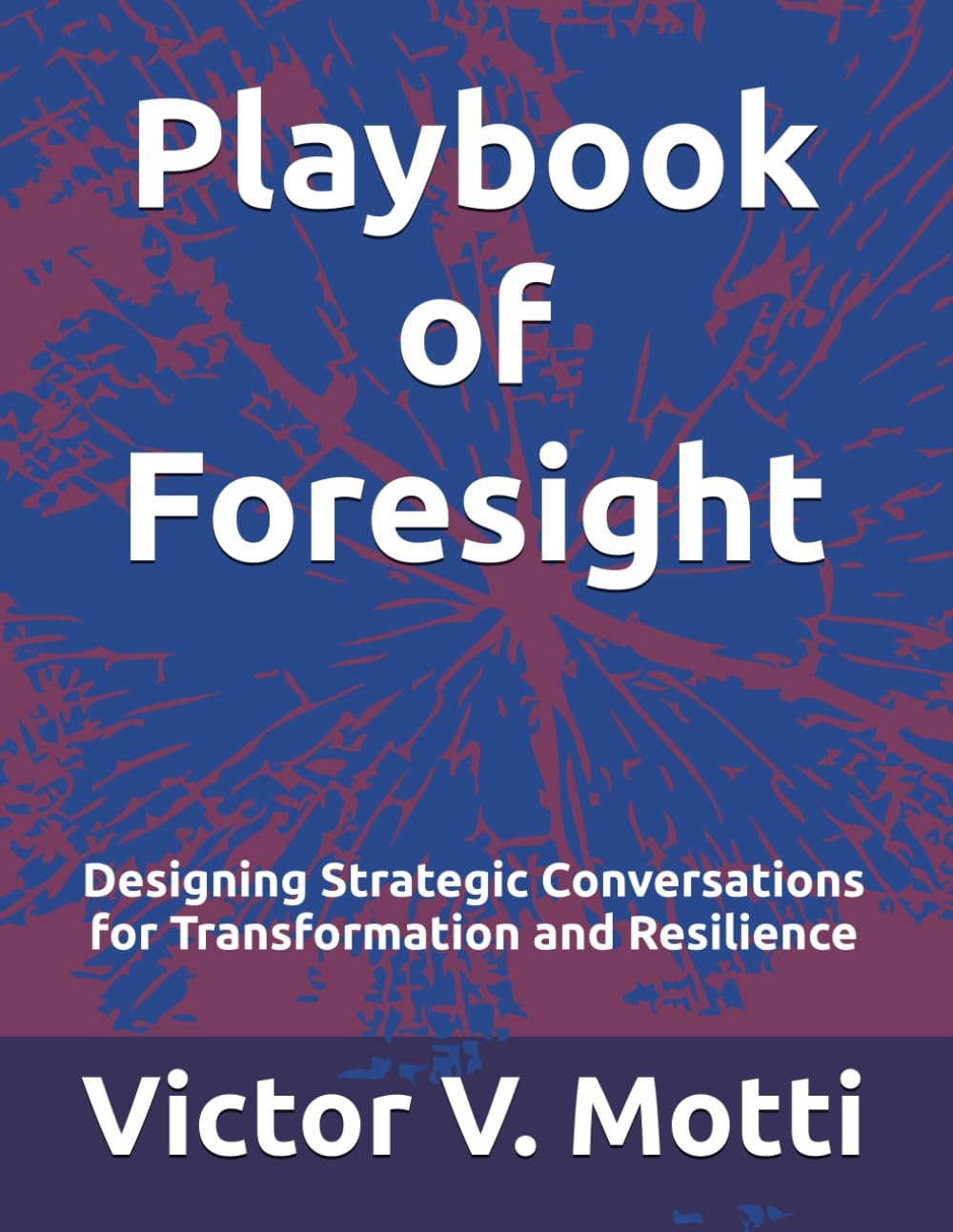
Summary
Core Themes
The book reimagines humanity’s future through planetary foresight, blending historical wisdom with planetary stewardship. It critiques linear Western progress narratives and advocates for a hybrid, cyclical vision of history, emphasizing pluralistic identities and reverence for life.
Structural Framework
Organized into thematic sections, the work begins with “The Mysterious Lord of Time,” challenging linear temporality and introducing non-linear, culturally diverse historical perspectives. “Evolving Belief Systems” contrasts Indo-Iranic, Mesopotamian, and Hellenic thought with Abrahamic traditions, highlighting ancient influences on modern pluralism.
Imagination and Futures
The “Histories of Imagination” section explores myth and storytelling as drivers of civilization, while “Scenarios of Future Worlds” applies foresight methodologies to geopolitical and technological evolution, emphasizing ecological consciousness. The final chapters expand to cosmic intelligence and ethics, framing humanity’s role within universal interconnectedness.
Ethical Vision
Central to the thesis is a call for planetary identity and stewardship, merging forgotten wisdom traditions with modern foresight to navigate ecological and technological uncertainties. The book positions itself as both a philosophical guide and practical framework for ethical transformation in an era of global crises.
Key Argument
Motti asserts that humanity is transitioning from a “Second Nomad Age” (characterized by fragmentation) toward a “Second Settlement Age” marked by planetary consciousness, requiring creative complexity and ethical vigilance.
Posted on: 23/04/2025
Last Edited: 2 years ago
For years, the world has been described as being in a state of perma-crisis. As a federal enterprise working in the fields of international cooperation for sustainable development and international education, the Deutsche Gesellschaft für Internationale Zusammenarbeit (GIZ) GmbH is strongly affected by the political and economic environment in which it operates. This is why it is important for GIZ to understand the underlying drivers of change and possible future developments so that it can prepare for the future and the challenges it will face, ultimately making the organization and its staff more resilient.
With its broad network of staff and international experts in over 120 partner countries, GIZ is well equipped to monitor and differentiate relevant signals and developments. At headquarters, a dedicated foresight team addresses future issues at a corporate level and contributes to the company's strategic decision-making.
GIZ’ foresight report 2024
Sustainable development is GIZ’s core business. The 2030 Agenda provides the framework for GIZ’s global activities. As the year 2030 is getting closer, the question is: will the negotiations on a new agenda be successful? But one thing is clear: any negotiation process and subsequent implementation will be increasingly shaped by geopolitical factors. This is why, the 2024 foresight report of GIZ, focuses on geopolitics, sustainable development and the global agenda for the next decade.
In total, the views of more than 100 GIZ colleagues from GIZ's HQ and the field structure were incorporated into the report through various workshops. In addition, the report is based on extensive analysis of secondary sources, and interviews with more than 30 experts from various (international) institutions to ensure that the report also reflects perspectives from outside GIZ.
The scenarios (strongly condensed for this post) are based on the four archetypes of the Manoa School of Futures Studies and Jim Dator, which represent four recurring paths of human civilization found in all cultures. Each scenario is supplemented by two to three short wildcards, some of which are listed here as examples.
Posted on: 18/03/2025
Last Edited: 2 years ago
This report explores the transformative potential of Key Enabling Technologies in addressing
emerging security challenges within the European Union. By conducting foresight analysis, the report
evaluates technologies such as artificial intelligence, advanced sensing, blockchain, and drones,
highlighting their ability to enhance law enforcement and critical infrastructure resilience, and fighting
crime and terrorism, while exposing vulnerabilities, such as misuse by criminal actors or regulatory
gaps.
The findings emphasise the need for proactive EU policies to both support technology transformation
and mitigate risks, including strategic investments in secure innovation, legal harmonisation, and
addressing societal resilience. This report aligns with the Commission’s 2024–2029 priorities,
supporting a prosperous, secure, and resilient Europe through actionable insights into emerging
security challenges. The recommendations aim to foster effective public-private collaborations,
ensure regulatory coherence across Member States, and promote technological solutions that balance
security needs with ethical and societal values, reinforcing the EU’s position as a leader in sustainable,
innovation-driven policy-making in internal security.
Posted on: 11/03/2025
Last Edited: 10 months ago
This video introduces viewers to the Delphi method, a tool of futures research and foresight. Although it gets its name from the ancient Greek oracle, the modern incarnations of the method are powered by technology. Even so, the difficulties of reaching consensus and the influence of group dynamics on rational argumentation remain. If you are participating in a Delphi process, this video is an essential introduction to the method.
This video is third part of a series of videos introducing foresight workshop methods for the Eye of Europe project funded by the EU.
Posted on: 05/03/2025
Last Edited: 10 months ago
The study concerns the development of 4 Scenarios for 2040, for 5 Balkan cities: Thessaloniki, Nicosia, Skopje, Sofia, Tirana.
The research team identifies the factors that influence the development of these cities and highlights those that shape the urban future, identifying both the key challenges that cities will have to face and the forces they can proactively harness and build their desired future.
All scenarios present plausible future images of the above cities including references to their environmental status for 2040, as well as information on the specific air quality challenges.
The development of the scenarios took place in the framework of the European project AIRTHINGS (funded by the Interreg programme). It was implemented by a project team involving Helenos Consulting and the UNESCO Chair on Futures Research (ITE/PRAXI).
Posted on: 21/02/2025
Last Edited: 2 years ago
What if education wasn’t controlled by institutions but shaped by learners, communities, and technology? Using backcasting, I explored a future where learning is decentralized, open, and driven by collaboration—and mapped the steps to get there.
This vision is inspired by discussions between Sara Skvirsky (IFTF Research Director) and Katherine Prince (VP of Foresight & Strategy, KnowledgeWorks), as well as the 2020 Forecast: Creating the Future of Learning - a report that, even today, feels like a glimpse into what’s coming.
🔹 How do we get there?
- From institutional control to collective intelligence
- From passive learning to a culture of creation
- From centralized credentials to peer-validated knowledge
- From rigid curriculums to dynamic, adaptive education
🎥 Watch the short film exploring this future!
Posted on: 18/02/2025
Last Edited: 2 years ago
This movie is a way of connecting three domains that bring me joy currently:
- Strategic Foresight
- Spirituality
- AI
One of the goals is to draw attention to Foresight as one of the Top 5 cutting-edge skills identified in the UN 2.0 agenda, a plan that helps organizations prepare for the future.
I adapted the Scenario Planning method to explore three possible futures and bring them to life through cinematic storytelling.
The film also introduces two trained characters, Lina and Arun, within each scenario, making the movie less formal and more engaging.
I also wanted to show how AI can:
- Serve as a bridge between ideas and skills from different fields.
- Help us discover new aspects of human potential.
This movie isn’t flawless or complete - I’m not a filmmaker, and that’s okay. Its beauty lies in its imperfection, reminding us that sometimes, taking the step to create is more important than getting it perfect.
Later Edit: The film EXPLORING FUTURES: SCENARIO PLANNING IN COLLECTIVE CONSCIOUSNESS was included in the non-competition program of the International "Cartoons about the Future Festival," dedicated to films created with the help of AI. It was screened five times during the event, held on March 28-30, 2025, at the Atom Pavilion at VDNkH, Moscow. The festival, organized by the ATOM Foundation for the Promotion of Scientific, Educational, and Communication Initiatives in collaboration with the Big Cartoon Festival team, featured free screenings of short and full-length animated films over three days, offering audiences a diverse selection of forward-thinking works.
Posted on: 10/02/2025
Last Edited: 2 years ago
OECD has released the Strategic Foresight Toolkit for Resilient Public Policy, designed to help policymakers anticipate and navigate future challenges and opportunities.
By exploring 25 potential disruptions across environmental, technological, economic, social, and geopolitical domains, the Toolkit equips governments with a practical, five-step foresight methodology to challenge assumptions, create scenarios, stress-test strategies, and develop future-ready policies. It includes facilitation guides, case studies, and actionable insights to support resilience in an uncertain world.
Posted on: 22/01/2025
Last Edited: 10 months ago
COVID-19 has led to a global public health crisis and changed the course of lives for billions with ensuing social and economic damage. A foresight study was commissioned by the European Commission DG RTD in June 2020 that used Dynamic Argumentative Delphi method to explore experts’ views on what Europe may look like in 2023, in the domains relating to medicine, public health, and socio-economic conditions. Using expert responses to the survey, the points of consensus and the areas of divergence (uncertainties) were analysed, and five plausible 'exit scenarios' were developed. The report draws conclusions for EU R&I policy, but together with its data annex, it can support strategic discussions across many different policy fields.
Link to the report: http://doi.org/10.2777/293413
Posted on: 17/01/2025
Last Edited: 10 months ago
This is a synthesis report based on 130+ interviews conducted as part of the Strategic Foresight for Sustainability (SF4S). The synthesis report concludes the project’s Work Package 2, led by Finland Futures Research Centre, which had as a central objective to identify “key skills and good practices on the basis of interviews with the key community actors”.
Nine SF4S consortium partners – DKSD, EDC, EDHEC, FFRC, GEA, HMKW, ISPIM, IZT, and TalTech - carr ied out 91 interviews in situ or via digital communication channels from September 2022 to March 2023. In addition, 47 interviewees or discussants participated via focus group discussions (November 2022) and a public webinar (January 2023).
The interviews map out sustainability, digitalisation, and foresight skills and practices in organisations around Europe with an emphasis on the project’s three target clusters: Agri-food, Health, and Mobility. In addition to industry representatives, experts in foresight, policy, consulting, and education have contributed their views to the project.
For more information on the report, see the project website.
Posted on: 07/01/2025